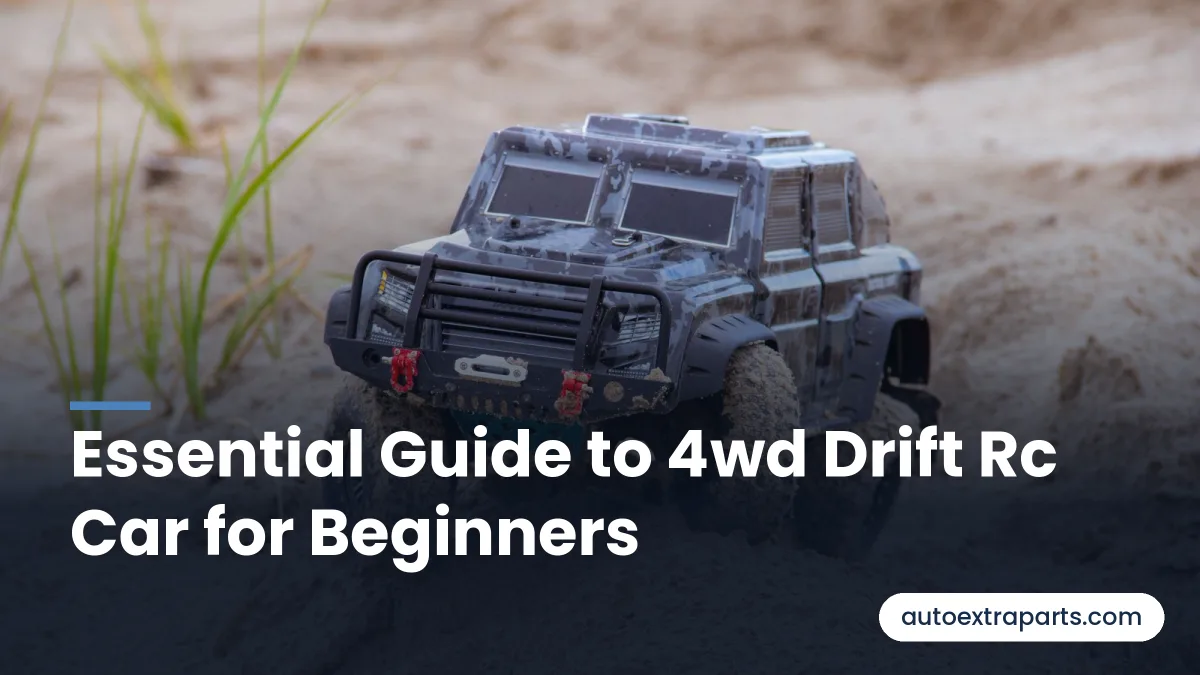
Essential Guide to 4wd Drift Rc Car for Beginners
As an Amazon Associate we earn from qualifying purchases. Guides are for general information; always check your owner's manual and consult a qualified mechanic when unsure.
A 4wd drift rc car sends power to all four wheels. This setup gives you control when the back end steps out. You can hold a slide through a turn with ease. Many hobbyists start on 2wd rigs first. But the 4wd platform adds grip and speed. It also lets you drift on many surfaces.
Drifting means you steer the car while the wheels lose traction. The rear tires slide sideways through a corner. A good 4wd drift rc car balances power and slip. You adjust the diff and tire hardness to set the drift angle. Too much grip kills the slide. Too little power stalls the move. Always follow official safety and maintenance guidelines for best results.
Essential Tools and Preparation for 4wd Drift Rc Car
You need a few core tools before you build or tune a 4wd drift rc car. A quality hex driver set fits most chassis bolts. Add a torque wrench to avoid stripping threads. Small screwdrivers help with servo and switch links. Keep a set of calipers nearby for measuring parts.
Set up your workbench in a clean, dry spot. Good light helps you spot tiny cracks in plastic parts. A parts tray keeps screws sorted by size. Label each cup so you can find them fast. A soft mat under the car stops parts from rolling away. For complementary picks and expert testing advice, see our guide on 3D Letter for Car Make Your Ride Stand Out With Bold Graphics.
- Hex Driver Set: Covers all chassis and wheel bolts.
- Torque Wrench: Prevents over-tightening plastic threads.
- Parts Tray: Keeps screws sorted and easy to find.
- Soft Work Mat: Stops parts from sliding off the bench.
A 4wd drift rc car demands the right prep work. You check the ride height first. Set the front and rear to factory spec. Then you measure the toe angle on each axle. Toe-in adds straight-line stability. Toe-out sharpens the turn-in response.
Next, you set the camber angle. Negative camber tilts the top of the wheel inward. This helps the tire stay flat during a slide. You use a camber gauge for this step. Small changes here change how the car holds the drift. Take notes each time you adjust. A tuning log helps you track what works best.
- Ride Height: Set front and rear to factory spec first.
- Toe Angle: Toe-in for stability, toe-out for sharper turns.
- Camber Gauge: Measures the tilt of each wheel.
- Tuning Log: Tracks each change and its effect on the car.
You should also check the steering linkage before your first run. Loose ball links cause slop in the steering feel. This makes the car feel vague at high speeds. Use a ruler to measure side-to-side play. Adjust the turnbuckles until the response feels tight.
A clean chassis also helps you spot leaks fast. Look for oil seeping from the shock bodies. Wipe each shock with a lint-free cloth. This simple habit stops dust from mixing with oil.
Practical Methods for 4wd Drift Rc Car
Start with a baseline setup from the factory manual. Run the car on low grip carpet first. This surface lets the rear wheels break free with ease. You can then focus on throttle control. Gentle inputs keep the slide smooth and predictable. Harsh throttle spikes cause spins and lost time.
Next, adjust the center differential oil. Thicker oil slows the rear during a drift. This helps the car hold a constant angle. Start with a medium-weight diff oil and test it. If the car understeers, switch to a thinner weight. If it oversteers too fast, go thicker. Each change shifts how the power splits front to rear.
- Baseline Run: Test factory settings on low grip carpet first.
- Diff Oil: Thicker oil slows the rear for a steady angle.
- Throttle Control: Gentle inputs keep the drift smooth and predictable.
- Test and Swap: Change one setting at a time and log the result.
You will also need to set the slipper clutch correctly. This part protects the drivetrain from sudden jolts. Too tight and the car hooks up too hard. Too loose and it spins the wheels without driving them. You adjust the slipper by adding or removing shims. A feel test works best here. Push the car by hand and check for free play.
As you gain confidence, try a power-over steer drill. This means you apply more throttle mid-corner to kick the tail out. The 4wd drivetrain gives you a safety net here. The front wheels still pull, so you can steer out of trouble. Start slow and build up the angle over several runs. You will feel the car change with each small tweak.
- Slipper Clutch: Adjust shims to balance drive feel and protection.
- Power-Over Steer: Extra mid-corner throttle kicks the tail out safely.
- Steer Out: Use front pull to correct a slide and regain control.
- Build Gradually: Increase the drift angle over many practice runs.
Another key drill is the hand-brake turn. You pull the steering to one side and apply the brake. This locks the front axle and swings the nose. The rear end then swings wide with momentum. Practice this on a large open area first. Use a cone to mark your entry point.
Focus on timing the brake release. A smooth release keeps the car from snapping. You can also set up a figure-eight track. This layout forces you to switch directions fast. It builds muscle memory for throttle control. Each run teaches you how the car reacts.
Common Mistakes to Avoid and Expert Pro Tips
New builders often skip the diff shim step. That small gap sets your bearing preload. Too tight and heat builds fast. Too loose and you get slop. Both ruin your 4wd drift rc car feel.
Many folks crank the camber angle wrong. Too much negative camber eats the inside tire edge. You lose contact patch mid-drift. A slight -1.5 degree setting works best for most indoor carpet runs.
- Diff Oil Check: Start with 3000cst silicone oil. Change it after each water run. Dirty oil turns thick and grinds the gears.
- Belt Tension Test: Press the belt with your thumb. It should flex about 10mm. Too tight wears the pulleys fast. Too loose slips under full throttle.
- Toe-In Setting: Set front toe-in to 1mm total. This reduces push on corner entry. Rear toe-out adds angle but can feel twitchy.
- Brake Bias Setup: Set rear brake stronger than front. A 60/40 split helps the rear break loose cleanly. Adjust in 5% steps.
One big trap is ignoring wheel bite. High grip surfaces cause the tire to rub the chassis. That locks the wheel instantly. You slam into the wall. Add a 2mm spacer to clear the tire. This simple fix saves many ruined body shells.
Another mistake is using the wrong tire compound. Soft foam grips well on carpet. Hard foam lasts longer on asphalt. Mixing them up hurts your drift angle. Match the tire to the surface every time.
Expert tuners check the slipper clutch before every session. Wear on the slipper pads causes sudden wheel spin. You lose control on the exit. Replace pads when you see smooth spots. A fresh clutch feels crisp and holds the start.
Pro drivers also log their setup changes. Write down shock oil weight, diff oil, and camber. Next time you go to the parking lot, you can copy the winning setup. This saves hours of guesswork on race day.
Tire pressure is another hidden factor. Soft tires create a larger contact patch. This adds grip and reduces the drift angle. Hard tires slide more easily but wear faster. Use a small pressure gauge to check each tire.
Match the pressure to the surface texture. On low grip carpet, keep the pressure low. On high grip asphalt, add a few psi. Small changes here lead to big gains in control.
Long-Term Maintenance and Best Practices
Dirt and dust kill 4wd drift rc car parts fast. After each session, wipe the chassis with a dry cloth. Blow out the diff with compressed air. Check the dog bone cups for play. Worn cups cause a clunking sound under power. For complementary picks and expert testing advice, see our guide on 30×40 North Facing House Plan With Car Parking Guide.
Store your car in a hard case. Sunlight fades polycarbonate bodies fast. Heat warps the chassis over time. Keep LiPo batteries in a fireproof bag. Store them at half charge for long-term storage. A full LiPo stored on the shelf can swell and fail.
- Wash After Runs: Rinse the car with low-pressure water. Use a soft brush on the suspension arms. Dry all parts before reassembly.
- Bearing Care: Pull bearings every 50 miles. Clean them with degreaser. Add a drop of light oil. Spin to coat evenly.
- Body Check: Inspect the Lexan shell for cracks. Small cracks spread fast under crash loads. Patch them with clear tape early.
- Screw Tightness: Use a torque wrench on all chassis screws. Over-tightening cracks the aluminum blocks. Under-tightening causes parts to rattle loose.
Set a monthly upkeep schedule. Write it on your workshop wall. Check the servo saver link for stretch. A loose link feels mushy on steering input. Replace it before it snaps mid-run. Also check the turnbuckles for bent ends.
Brushless motors need heat management. Clean the fan shroud of dust every week. Clogged fins cause the motor to overheat. Heat breaks down the magnets over time. A cool motor runs strong for many hours of drifting.
Keep spare parts on hand. Stock two sets of dog bone cups. Keep extra diff shims and O-rings. A broken part on the track can end your run. Having the fix ready keeps you on the floor longer. It also lowers your cost per mile over time.
| Spec / Feature | Budget Build | Mid-Range Build | High-Performance Build |
|---|---|---|---|
| Motor Type | Brushed 775 | Brushless 2200KV | Brushless 4500KV |
| Tires | Standard foam | Drift-spec silicone | Dual-compound slick |
| Chassis Material | Polycarbonate | Fiberglass | Carbon fiber |
| Drivetrain | Shaft drive | Belt drive | Shaft + belt hybrid |
| Battery | NiMH 6-cell | LiPo 2S 5000mAh | LiPo 3S 5000mAh 50C |
| Target Surface | Indoor carpet | Outdoor asphalt | Mixed surfaces |
Frequently Asked Questions
What Makes a 4wd Drift Rc Car Different From a Standard Rc Car?
A 4wd drift rc car uses a locked or spool rear end to break traction. The front wheels steer while the rear slides. Standard RC cars use differentials that send power to the gripping wheel. Drift cars rely on controlled wheel slip to slide through corners.
Can You Drift a 4wd Rc Car on Wet Surfaces?
Yes, but you must waterproof the electronics first. Look for an IP rating on the ESC and receiver. Water causes shorts and rust on metal parts. Dry the car thoroughly after each wet run. Use silicone-based lubricants on the diff to repel moisture.
How Often Should I Replace the One-Way Pulley?
Check the one-way bearing every 10 sessions. Worn bearings cause the motor to spin freely on decel. You lose engine braking feel during transitions. A failing one-way pulley also makes a whining noise. Replace it the moment you hear that sound.
Is Brushless or Brushed Better for a Drift Car?
Brushless motors run cooler and last longer. They also give smooth power across the RPM range. Brushed motors are cheaper and easier to replace. For frequent drifting, brushless is the better long-term choice. The higher upfront cost pays off fast.
What Safety Gear Do I Need for a 4wd Drift Rc Car Session?
Wear safety glasses to protect your eyes from debris. Keep a fire extinguisher rated for lithium batteries nearby. Charge LiPo packs in a fireproof bag on a concrete floor. Never leave a charging battery unattended. A damaged pack can vent and ignite without warning.
Choosing the Right Surface and Tires for 4wd Drift Rc Car
The surface you choose shapes your entire drift style. Low grip indoor carpet is the best starting point. It lets the rear wheels break loose with ease. You can focus on steering input and throttle control. This surface also reduces wear on your tires. It keeps the car predictable as you learn the basics.
- High Grip Asphalt: High grip asphalt demands a different approach.
- Tires Bite Hard: The tires bite hard and resist sliding.
- You Need More: You need more power to initiate the drift.
- Spool or Locked: A spool or locked rear axle helps here.
- It Forces Both: It forces both rear wheels to spin together.
- You Also Need: You also need softer tire compounds on asphalt.
- These Tires Flex: These tires flex more and create a controlled slip.
- Hard Tires on Asphalt: Hard tires on asphalt often bounce and chatter.
You can also drift on mixed surfaces. A patchy lot with gravel and smooth spots adds challenge. The car changes grip levels mid-corner. This trains you to react fast. You learn to read the surface by feel.
Start on clean carpet first. Move to asphalt only after you master the basics. Always check the surface for debris before you run. Small rocks can lodge in the tire grooves. They change the grip balance without warning. For complementary picks and expert testing advice, see our guide on 3 Ton Car Jack Stands That Will Make Your Garage Safer.
Understanding Drivetrain Options and Their Effect on Drift
The drivetrain setup defines how your 4wd drift rc car handles. A spool locks the rear axle completely. Both rear wheels spin at the same speed always. This gives a sharp breakaway and strong hold. It works best on low grip surfaces. The car feels eager to slide. You can hold the angle with little input.
- Locked Center Differential: A locked center differential splits power evenly.
- It Sends Fifty: It sends fifty percent to the front and fifty to the rear.
- This Setup Balances: This setup balances traction and slip.
- It Lets You: It lets you drift on higher grip floors.
- Fine-Tune the Effect: You can fine-tune the effect with diff oil.
- Thicker Oil Slows: Thicker oil slows the rear and holds the angle.
- Thinner Oil: Thinner oil lets the rear spin faster.
- Many Drivers Prefer: Many drivers prefer this option for flexibility.
A ball differential offers smooth power delivery. It allows slight speed differences between the wheels. This reduces tire scrub during transitions. The car feels more natural on the exit.
You still need to break traction with throttle. Ball diffs need more upkeep than spools. Clean them often and refresh the balls. A worn ball diff causes inconsistent drift feel.
Some builders use a one-way front diff. This lets the front wheels spin freely on decel. The car pivots faster during transitions. It also reduces steering drag.
But it removes engine braking from the front axle. This can make the car feel loose on entry. Use a one-way front diff only on smooth floors. Practice the transitions carefully until you build trust.
Final Verdict and Buying Advice
Start with a steady RTR kit from a known brand. Look for a full aluminum chassis. This gives you the strength needed for repeated drifts. A plastic chassis flexes too much under load. It absorbs energy and reduces control.
Check the included parts list before you buy. Make sure it has a spool or lock kit. You also need a fit ESC and servo. A brushed ESC works fine for beginners. Upgrade to brushless once you feel confident.
Set a clear budget before you shop. A solid starter kit costs less than three hundred dollars. You will need extra tires and diff oil. These small add-ons make a big difference. Buy a basic tool kit with a torque wrench. Avoid the cheapest options. Flimsy tools strip bolts and cause frustration. Invest in quality tools that last for years.
Join a local RC drift club to learn faster. Experienced members share setup sheets and tire choices. They can spot setup errors from a distance. Many clubs host rental days for new hobbyists. This lets you test different cars before you buy. You will also find spare parts at lower prices. A strong community keeps you motivated through the learning curve.
Your first few runs will feel messy. The car may spin or understeer on corners. This is normal and part of the process. Keep a tuning log for every session. Note the surface type, tire compound, and diff oil.
Small notes save hours of guesswork later. You will see clear progress after just a few weeks. The journey from a basic drift car to a finely tuned machine takes time and patience. Enjoy every slide and every fix along the way.