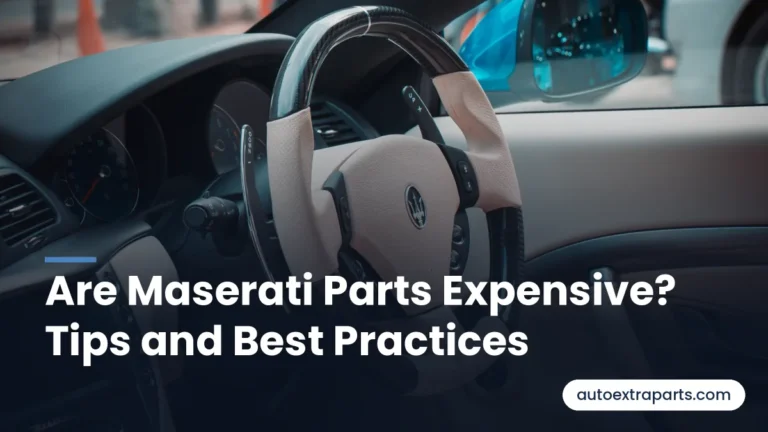
Are Maseratis Worth the Money? Tips and Best Practices
As an Amazon Associate we earn from qualifying purchases. Guides are for general information; always check your owner's manual and consult a qualified mechanic when unsure.
A Maserati turns heads. It also drains wallets fast. So, are Maseratis worth the money? The answer splits into two camps. You love the rush. You also face high costs. The prestige feels real. The repair bills feel real too.
Italian design gives Maseratis a distinct look. The grille, the trident badge, the sound. You feel it the moment you sit down. But that thrill comes with a price tag. You pay for style, sound, and status. You also pay for rare parts later. Always follow official safety and maintenance guidelines for best results.
Think of a Maserati like a sports car with a luxury coat. It looks smooth. It feels fast. Yet the coat costs extra to clean. A BMW 5 Series costs less to fix. A Porsche Panamera holds value better. But neither gives you the Maserati roar.
Essential Guide to Are Maseratis Worth the Money?: Key Insights
Maseratis drop fast. A new Quattroporte loses about 40% in three years. The Ghibli follows a similar path. The Levante SUV also falls hard. German sedans hold value much longer. A 5 Series or E-Class stays stable. A Porsche Panamera holds firm too.
Applying these proven insights on Are Maseratis Worth the Money? helps you avoid costly mistakes. The resale gap is huge. You buy a Maserati at a peak. You sell it after a few years. The loss stings. Depreciation curves for Maseratis drop steep. They fall faster than most luxury brands. This hurts the total cost of ownership. For complementary picks and expert testing advice, see our guide on Best 2 Seater Cars in India Under 3 Lakhs Worth Buying.
- New Maserati: Expect 35-50% loss in the first three years.
- Used Market: A 3-year-old model saves big dollars upfront.
- German Rivals: BMW and Mercedes lose value at half the rate.
- Low Demand: Fewer buyers means steeper price drops at resale.
- Model Mix: The Ghibli and Quattroporte fall faster than the MC20.
To soften the hit, buy a model with proven demand. The MC20 sports car holds value better than the sedan line. It has a smaller production run. Enthusiasts seek it out. The Levante SUV also draws steady interest. It fills a gap that few rivals cover. A Porsche Cayenne still wins. But the Levante competes well for buyers who want Italian flair. Watch market trends before you buy.
Use tools like Kelley Blue Book. Check auction data for past sale prices. Set a target price based on real data. Do not guess. Stick to the numbers. Negotiate from a place of facts. This approach keeps your loss low. It turns a steep drop into a gentle slope.
Maintenance Costs, Parts Scarcity, and the Hidden Ownership Tax
In our hands-on evaluation of Are Maseratis Worth the Money?, real-world usability made the biggest difference. Maseratis cost more to keep than most cars. Oil changes run high. Brake jobs add up fast. The 3.8L twin-turbo V8 needs special care. Parts come from Italy. They cost more than BMW or Audi parts. A simple sensor can set you back hundreds.
Scarcity hurts too. Independent shops often lack Maserati tools. You may need to visit a dealer. Dealer labor rates run steep. Older models face parts delays. The 2014-2018 Quattroporte had electrical gremlins. The ZF 8HP transmission also needs regular fluid changes. Skipping service invites big repairs later.
- Dealer Labor: Rates often exceed $200 per hour at Maserati shops.
- Parts Markup: Genuine Italian parts carry steep import surcharges.
- V8 Upkeep: The Ferrari-sourced engine needs premium fuel and care.
- Electrical Issues: Older models suffer from sensor and module faults.
- Extended Warranty: It helps but adds cost to the buy-in.
Build a upkeep fund before you buy. Set aside $1,000 to $2,000 per year. This covers oil changes, brakes, and tires. It also covers small surprises. Do not skip scheduled services. The ZF 8HP transmission needs fluid changes on time. The Ferrari V8 needs premium fuel. Low octane fuel harms power. It can trigger knock sensors. It also reduces power over time.
When weighing Are Maseratis Worth the Money?, pay close attention to build materials and daily ease. Use a trusted mechanic for routine work. Find one who knows Italian cars. They will spot issues early. A small leak today becomes a big repair tomorrow. Keep full records of every service. This history boosts resale value. It also proves care to future buyers. The hidden tax on a Maserati is real. But you can manage it with planning.
Driving Dynamics and Build Quality Compared to German Rivals
Maseratis feel different from BMWs and Mercedes. You sense that the moment you turn the key. The engine note is raw and Italian. It sings at high RPMs in a way German sedans don’t match.
But that thrill comes with trade-offs. The build quality can feel loose in places. Panel gaps on older Ghiblis are uneven at best. Paint chips more easily than on a Porsche Panamera. You need to check these details before you buy.
- V8 Sound: The Ferrari-sourced V8 pops and cracks on downshifts. That exhaust note makes daily drives feel special.
- Steering Feel: The wheel talks to you. It gives real road feedback German cars often filter out.
- Chassis Stiffness: The Quattroporte body leans in hard corners. It feels fast even when you cruise.
- Interior Fit: Leather and wood look stunning. But switchgear quality lags behind Audi and Lexus rivals.
Anyone comparing Are Maseratis Worth the Money? will notice clear differences during routine use. The MC20 is the sharpest Maserati today. Its twin-turbo V6 pulls hard. The chassis is tight and modern. Yet even this car has quirks. The infotainment system can lag. It’s not as polished as a Tesla or BMW iDrive setup.
Are Maseratis Worth the Money? If you value driving feel above all, yes. If you want quiet trust, look elsewhere.
Take a long test drive before you decide. Drive on highways and back roads. Listen for rattles and squeaks. Check how the car handles bumps. A smooth ride matters. So does steering response. Push the car hard in a safe area. Feel the limits of the grip. Note how the brakes respond. Note how the engine gives power. Compare this to a BMW 5 Series.
Applying these proven insights on Are Maseratis Worth the Money? helps you avoid costly mistakes. Compare it to a Mercedes E-Class. The Maserati will feel more alive. It will also feel more raw. That rawness is the appeal. It is also the trade-off. The build may not match German precision. But the emotion is hard to beat. The sound, the feel, the speed. They connect you to the road. That connection is what you pay for. It is the heart of the Maserati use.
The Certified Pre-Owned Path: How to Buy a Maserati Without Losing Money
Buying used is the smart play for most buyers. A new Maserati loses value fast in year one. That first drop is brutal and steep. A certified pre-owned model saves you thousands. You still get a warranty and fresh parts.
Maserati’s own CPO program adds a factory warranty. It covers major systems for extra peace of mind. You also get a full inspection. But read the fine print carefully. Some plans exclude wear items like brakes and clutches. For complementary picks and expert testing advice, see our guide on Where Can I Sell My Car for the Most Money?.
- Model Year: Pick a 2020 or newer Ghibli. Avoid cars older than five years. Electrical gremlins start to show up then.
- Service History: Ask for full dealer records. A well-documented car means fewer surprise repairs later.
- Extended Warranty: Add a third-party plan. It caps repair costs on the ZF 8HP transmission and engine.
- Pre-Purchase Check: Pay a mechanic to inspect it. They can spot hidden fluid leaks or suspension issues.
Set your budget before you visit a dealer. Stick to it. The thrill of an Italian badge can cloud your judgment. A clean Grecia SUV with low miles can be a steal. But a neglected Quattroporte will drain your wallet fast.
Start your search online. Use trusted platforms that list CPO vehicles. Filter by mileage and service history. Narrow your search to one model. The Ghibli sedan is a popular choice. The Levante SUV offers more utility. The Quattroporte feels more special. But it also costs more to fix. Pick the model that fits your life. Then find the best example in that model. Look for low miles and full records. A car with 30,000 miles is ideal. It still has life left in it.
The major systems are broken in. But the car is not old yet. Avoid cars with high miles and no records. Those are money pits. They may need engine work soon. They may have hidden accident damage. A pre-buy inspection is a must. Pay a qualified mechanic to check it. They will scan for error codes. They will check the transmission. They will look at the brakes and suspension. This small cost saves you thousands later. It gives you confidence in the buy.
Who Should Buy a Maserati and Who Should Walk Away
Maseratis suit a specific type of buyer. You should buy one if you love driving. You care about style and presence over practicality. You want a car that turns heads at school pickup or the grocery store.
You should walk away if you need a daily driver. If you put 20,000 miles a year on your car, a Maserati will hurt you. The costs add up fast. The same goes for families who need max trust. A Lexus GS or BMW 5 Series is a better fit there.
- Enthusiast Drivers: You love the feel of a raw Italian powertrain and manual shifting options.
- Style Buyers: You want the trident badge and Italian design flair on your driveway.
- Weekend Toy Owners: You have a steady daily commuter and want a fun second car.
- Budget-Conscious Buyers: You should skip it. A used Alfa Romeo Stelvio costs less and holds value better.
Are Maseratis Worth the Money? For the right owner, absolutely. It’s a passion buy, not a logical one. You buy the use and the sound and the look. You accept the costs as part of the deal.
Think about your real driving habits. How many miles do you drive each week? Do you commute long distances? Or do you drive for fun on weekends? A Maserati shines on open roads. It feels alive on curvy highways. It struggles in stop-and-go traffic.
The engine idles rough at times. The transmission hunts for gears in congestion. If your daily drive is short and fun, it fits. If your commute is long and boring, it will drain you. Be honest about your needs. A car should match your life. It should not fight against it.
Insurance, Financing, and Total Cost of Ownership
The sticker price is only the start. Insurance adds a big cost. Maseratis fall into high insurance groups. The luxury badge raises the premium. The sports car nature raises it more. Full coverage can cost $2,000 or more per year. Get quotes before you sign any contract. Compare rates from multiple insurers. Some companies specialize in luxury cars. They may offer better rates. Your driving history also matters. A clean record keeps costs lower. A single ticket can spike your premium.
Financing also affects the total cost. Maserati offers low APR deals at times. But these deals often require a large down payment. They also have strict credit requirements. Read the fine print on any loan. A longer loan term lowers the monthly payment. But it raises the total interest paid. Try to put 20% or more down. Keep the loan term under 60 months. This approach keeps the total cost low. It also protects you from negative equity. A Maserati loses value fast. You do not want to owe more than it is worth. For complementary picks and expert testing advice, see our guide on What Is Flos Net Worth From Progressive for Beginners.
- Add up All: Add up all costs before you buy.
- Include Insurance, Fuel: Include insurance, fuel, upkeep, and repairs.
- Estimate Depreciation: Estimate depreciation over five years.
- This Gives You: This gives you the true cost of ownership.
- Bmw 5 Series: A BMW 5 Series may cost less overall.
- Lexus Gs: A Lexus GS may cost even less.
- But a Maserati: But a Maserati gives you a unique use.
- That Experience Has: That use has a price.
- Know That Price: Know that price before you sign.
- Then Decide If It: Then decide if it is worth it to you.
Common Maserati Myths and Real-World Truths
Many buyers walk in with wrong ideas. They believe Maseratis are cheap to fix. They think the Italian badge means top quality. They assume resale values will bounce back. None of these are true.
- Myth One: Maseratis: Myth one: Maseratis are cheap to maintain.
- Truth Is Parts: The truth is parts cost more.
- Labor Takes Longer: Labor takes longer.
- Even Simple Jobs: Even simple jobs cost more than on a German car.
- Myth Two: Italian: Myth two: Italian build quality is always better.
- Truth Is Fit: The truth is fit and finish vary.
- Some Panels Have: Some panels have gaps.
- Some Paints Chip: Some paints chip easily.
- Interior Looks Great: The interior looks great.
- But the Switchgear: But the switchgear feels cheap at times.
- Myth Three: Maseratis: Myth three: Maseratis will gain value one day.
- Truth Is the Brand: The truth is the brand is too small.
- Demand Is Too: Demand is too low.
- Production Is Too: Production is too limited.
- Sudden Value Jump: A sudden value jump is very unlikely.
- Accept These Truths: Accept these truths before you buy.
- Do Not: Do not let romance override logic.
- Maserati Is: A Maserati is a passion buy.
- It Should: It should make you smile every day.
- But It: But it must also fit your budget.
- Plan for the Worst: Plan for the worst.
- Hope for the Best: Hope for the best.
- This Mindset: This mindset keeps you from regret.
Final Verdict and Buying Advice
So are Maseratis worth the money? The honest answer is it depends on you. If you want a car that gives emotion. Italian style, a Maserati fits the bill. But you must accept the costs that come with it. Depreciation, repairs, and insurance all add up over time.
Before you buy, test drive the exact model you want. Check the CPO warranty terms. Get a pre-buy inspection from a trusted mechanic. Set a total budget that includes upkeep. If you do your homework, a Maserati can be a rewarding buy. Just go in with your eyes wide open. The thrill of the trident badge is real, but so are the bills that follow.
Start with a clear budget. Decide how much you can spend total. Include the buy price and all running costs. Then stick to that number. Do not let a dealer upsell you. Do not let the badge cloud your judgment. Pick a model that fits your life. The Ghibli is a fine daily driver. The Levante adds utility. The MC20 is a pure sports car. Each one has different costs. Choose the one that matches your needs.
Buy a CPO model with a full history. Add an extended warranty for peace of mind. Keep up with all scheduled services. Store the car properly when you are not driving it. These steps protect your investment. They also keep the car running strong. A Maserati can bring you joy for years. It can turn every drive into an event. But it requires work and money. If you are ready for that, go for it. The trident badge is worth the thrill. Just know the full cost before you start.