8 Seater Car for Travelling
As an Amazon Associate we earn from qualifying purchases. Guides are for general information; always check your owner's manual and consult a qualified mechanic when unsure.
Choosing an 8 seater car for travelling changes how you move. You need space, comfort, and smart choices. A big vehicle shifts family trips from cramped to calm. You look at seats, fuel use, and cargo room. The right ride handles highways, towns, and dirt roads well.
We will walk through key steps now. You will learn what fits your group and budget. This guide helps you pick with real confidence. Let us break it down in plain terms. Always follow official safety and maintenance guidelines for best results.
How to Choose the Right 8 Seater Car for Travelling Based on Your Trip Profile
You must know your trip type first. City runs need tight turning and easy parking. Highway drives demand quiet cabins and smooth ride. Off-road paths need strong frames and good ground clearance. Each trip profile points to a different vehicle set-up.
An 8 seater car for travelling works best when it matches your real needs. Think about road surface, fuel stops, and cargo weight. A people-mover with a diesel engine suits long hauls. A petrol van fits short city hops and quick stops. Check the gross vehicle weight rating before you load up. For complementary picks and expert testing advice, see our guide on Best 2 Seater Cars in India Under 3 Lakhs Worth Buying.
- Trip Distance: Long hauls favour diesel engines and smooth suspension.
- Group Size: Eight full-size adults need wide seats and ISOFIX anchors.
- Road Type: Gravel or mountain roads demand high clearance and strong brakes.
- Cargo Needs: Measure cubic metres of space for bags and gear.
Sliding doors help a lot in tight car parks. They let kids and elders step in safely. You will also want good roof rack load size. That extra roof space holds bikes, luggage, or a spare tire. A tow bar spec matters if you plan to pull a trailer.
Map Your Route Before You Pick the Model
Draw your route on a map first. Note mountain passes, dirt tracks, and ferry docks. A smooth highway route opens more choices. A rough outback track limits you to tough models. Check the ground clearance number in millimetres. A van with 170 mm or more handles debris well.
Look at the approach and departure angles too. These numbers tell you how steep a climb it can take. A tight turning circle helps in small town streets. City drivers often miss this detail. Test the turning radius in a parking lot. It saves time and stress later.
Match the Engine to Your Driving Style
Diesel engines love steady highway speeds. They pull heavy loads with less effort. Petrol engines respond faster at low RPM. They feel smoother in stop-and-go traffic. Hybrid vans mix both worlds well. They save fuel in city driving. Plug-in hybrids need charging stops.
That changes your route planning. You must have a charging map ready. A mild hybrid cannot plug in. It just recovers energy when braking. Each engine type changes the driving feel. Test drive with a full load of passengers. An empty test drive hides real problems.
8 Seater Car for Travelling: Comparing Ownership Costs, Fuel Economy, and Tco
Running costs often decide the final pick. A cheap van may cost more over time. You must check fuel economy, parts, and service gaps. A diesel engine uses less fuel on long trips. But diesel cars cost more upfront than petrol ones.
When you look at an 8 seater car for travelling, add up all costs. Fuel, insurance, tyres, and repairs form the total cost of ownership. A Toyota HiAce Commuter holds value well and costs less to fix. A Mercedes-Benz V-Class has higher fuel bills but offers premium comfort. We have seen Kia Carnival models win on low running costs.
- Fuel Type: Diesel cuts fuel spend on trips over 15,000 km per year.
- Service Intervals: Shorter gaps raise costs but often boost trust.
- Insurance Group: Higher group ratings add to annual premiums fast.
- Resale Value: Strong brands like Toyota keep more value after years.
Your expert tip: always run a simple TCO math before signing. Take the buy price and add five years of fuel and service costs. Then subtract the expected resale value. This number shows the true cost. It beats just looking at the sticker price.
Break Down Fuel Costs by Route Type
Highway driving uses less fuel per kilometre. Steady speeds let the engine work well. City driving burns more fuel in stop-start cycles. You idle more and brake often. A diesel van shines on long road trips. It sips fuel at 100 km/h steady. A petrol van may use 30 percent more. Hybrid models save the most in city traffic.
They shut off the engine at lights. Real-world fuel use often beats lab numbers. But heavy loads change the math fast. A full van of eight adults and gear weighs much. It cuts fuel economy by up to 20 percent. Plan fuel stops before the tank hits empty. Running out in remote areas costs time and money.
Track Insurance and Registration Fees
Insurance groups set your annual premium. A van in a high group costs more. Safety features can lower your group rating. Park the van in a locked garage overnight. That also cuts insurance costs. Registration fees vary by state or region. Some areas charge by vehicle weight.
Heavier vans cost more to register each year. Road tolls may also apply on certain routes. A toll pass can save time and cash. Check for congestion charges in city centres. Some vans do not meet low emission zones. That limits where you can drive in town.
Interior Layouts and Seating Configurations That Make Long Journeys Bearable
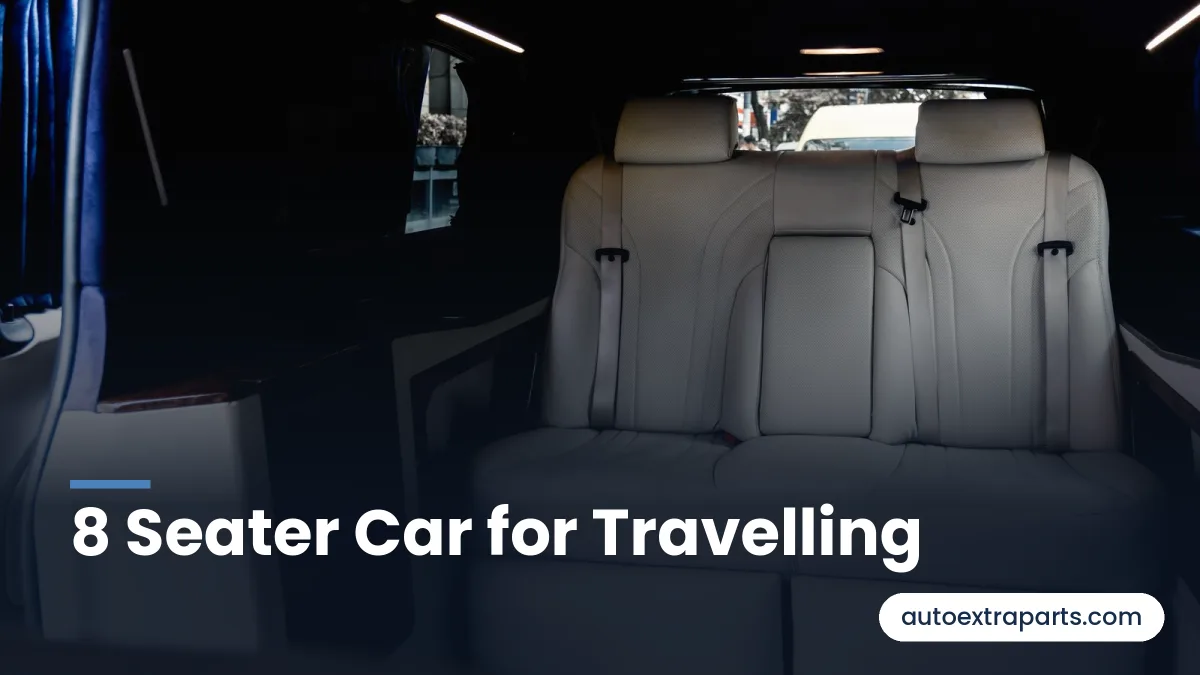
Seating layout makes or breaks a long trip. You need enough legroom in the third row. Cramped knees kill the joy of travel. Sliding seats help you shift space where you need it. A 7-8 seat conversion kit adds flexibility for gear days.
The best 8 seater car for travelling setups balance rows and walkways. A 2-3-3 layout works well for mixed groups. A 2-2-2 layout with a centre aisle adds easy movement. You want seat belt anchorage ISOFIX points for child seats too. Check Euro NCAP safety ratings for each model you consider.
- Third-Row Legroom: At least 850 mm of knee space keeps adults easy.
- Seat Slide: Reclining second-row seats let passengers stretch during stops.
- Walk-Through: A centre aisle lets rear passengers reach the front easily.
- Climate Zones: Dual-zone air con stops front-back heat fights.
Highway noise insulation matters for calm travel. Thin glass and poor seals let loud wind in. You will hear engine drone on long stretches. Good models use thick glass and sealed door frames. This cuts fatigue on trips over four hours. Your group stays happier and less tired at the end of the day.
Test the Third Row with Real People
Bring tall family members to the test drive. Ask them to sit in the third row. Check if their heads touch the ceiling. Knee space must fit a tall adult easily. A seat that slides back helps a lot. It lets you adjust for each person.
Some vans fold the third row flat. That turns the space into a cargo area. You gain room for bikes or large bags. A folded seat also creates a level floor. It makes loading heavy items much simpler.
Set up Zones for Comfort and Storage
Divide the van into clear zones. The front zone is for the driver and co-driver. The middle zone holds child seats or gear. The rear zone is for resting passengers. Each zone needs a power socket. USB ports charge phones and tablets.
A 12-volt outlet runs a small fridge. You can keep drinks cold all day. Overhead storage holds small bags and hats. Under-floor lockers hide valuables safely. A well-organized van cuts clutter stress. Everyone finds their space quickly.
Safety and Crash-Test Performance of Full-Size Passenger Vehicles
Safety matters most when you pack eight people into one vehicle. A heavy van moves different than a small car. You need to know what ratings mean.
Crash tests show how well a cabin holds up. They also show how well seat belts spread force. Euro NCAP scores give clear data. You can trust those numbers.
- Euro NCAP Rating: Look for a 5-star score. It means the model passed tough crash tests. Check the year of the test too.
- ISOFIX Anchors: These make child seat installs fast and tight. You will find them on the rear seat bottoms. Not all 8-seat models have them on every row.
- Gross Vehicle Weight Rating: This limit includes passengers and gear. Overloading it ruins braking and handling. Find the plate on the door jamb.
- Diesel Particulate Filter: A clogged filter can cause engine faults. It may also affect safety systems that rely on proper power. Check the service history.
Roof load size also plays a role. A heavy box on top raises the center of gravity. That can make a van tip in sharp turns. Keep loads low and inside the car.
Tow bars add another safety layer. They must match the vehicle’s spec. A weak tow bar fails under load. Always check the rating plate.
Understand Braking and Stability Systems
Heavy vans need strong brakes. Disc brakes on all wheels work best. Some models have electronic brake force distribution. This system shifts braking power to each wheel. It stops the van more evenly. Electronic stability control helps on wet roads.
It detects skids and applies brakes to single wheels. Traction control stops wheel spin on loose surfaces. These systems add safety for full loads. Check if the van has a hill-start assist. It prevents the van from rolling back on slopes. That feature helps drivers in hilly areas.
Check Visibility and Mirror Design
A large van creates big blind spots. Poor view leads to accidents. Look for wide-angle mirrors or camera systems. Rear-view cameras show the area behind the van. Blind-spot monitors warn you of nearby cars. These tech features help a lot in traffic. For complementary picks and expert testing advice, see our guide on Best 13 Seater Winger Car for Comfortable Group Travel.
Parking sensors also prevent low-speed bumps. Test the driver’s sight lines during the test drive. You must see all eight passengers clearly. A rear-view mirror that shows the third row helps. It lets the driver check on kids.
Renting vs Buying an 8 Seater Car for Travelling: A Step-By-Step Decision Tree
Choosing between renting and buying an 8 seater car for travelling starts with your trip length. Short trips lean toward rental. Long-term use leans toward buying. You must weigh several factors.
First, ask how often you travel. If you drive once a year, rent. If you drive monthly, buy. Second, check your budget. Rental fees are simple. Ownership costs hide extras like repairs and tax.
- Trip Length: Measure your total days on the road. A week or less? Rent. A month or more? Buy or lease.
- Number of Trips: Count trips per year. Three or fewer? Rent. Four or more? Ownership starts to pay off.
- Luggage and Gear: Test the cargo space. Rental vans may have less room. You may need a roof rack for extra bags.
- Route Type: Highway miles favor diesel engines. Stop-start city driving hurts diesel speed. Pick the fuel type that matches your route.
- Driver Comfort: A familiar car reduces fatigue. You know every switch and seat position. Rental means adapting to a new setup each time.
Rental also saves you from depreciation pain. A new van loses value fast in year one. You avoid that hit with a short-term rental. But long rentals add up fast too.
Buying means you can modify the van. Add seat covers, a fridge, or a roof rack. You can clean it your way. You can park it overnight without fees. That freedom suits large families.
Run a Simple Rental vs Buy Math
List the rental cost for your trip days. Then list the buy cost for the same period. Add fuel, insurance, and daily parking fees. Subtract the resale value from the buy side. Compare the two totals. The lower number wins. But also add comfort and freedom factors. A van you own lets you pack anything.
You can leave dirty gear inside overnight. Rental companies often charge extra for that. You also pick the exact model you need. You want a diesel van? You find one. You want a petrol one? That is easy too.
Consider Leasing as a Middle Path
A lease splits the cost over time. You pay a fixed monthly fee. The term often runs two to four years. Upkeep packages may be included. That saves you surprise repair bills. At the end, you return the van.
You do not own it. Leasing suits those who like new models. You drive a newer van every few years. It also keeps your budget predictable. No big repair costs hit you out of nowhere.
Maintenance, Reliability, and Common Failure Points in 8-Seat Passenger Vehicles
All passenger vans need regular care. Diesel engines last long but demand clean fuel. Petrol engines run smoother but use more fuel. You must stick to service schedules.
Common issues show up in predictable places. Air conditioning fails first in hot climates. Suspension parts wear fast on rough roads. Electrical gremlins appear in older models. Watch for warning lights on the dash.
- Oil and Filter Changes: Diesel oil breaks down faster. Stick to the maker’s interval. Skipping this step ruins the engine.
- Brake Fluid: Moisture builds in brake lines over time. It lowers the boiling point. That can cause brake fade on long descents.
- Timing Belt: Many van engines use a timing belt. It must be replaced at the service mark. A snapped belt bends valves badly.
- Sliding Door Rollers: Dirty rollers make doors stick. A stuck door in traffic is a safety risk. Clean and lube them every six months.
- Battery Health: Vans with many electronics drain batteries faster. Test the battery before each big trip. Replace it every four years.
Trust varies by brand. Toyota and Kia models often rank high. Ford and Mercedes have strong dealers in many areas. Research common faults for your exact model year.
Keep a simple log book. Write down every service and repair. This history boosts resale value. It also helps you spot patterns in problems.
Build a Pre-Trip Checklist
Create a checklist for each big trip. Check tire pressure on all wheels first. Look at the tire tread depth. Bald tires ruin wet road grip. Test all lights and indicators. A broken tail light draws police attention. Check the coolant level in the expansion tank.
Low coolant causes engine overheating. Inspect the wiper blades for cracks. Clear wipers keep the windshield clean. Test the horn and all switches. A working horn helps in emergencies. Pack a spare fan belt and fuses. These small parts cause big delays if they fail.
Handle Common Breakdowns on the Road
A flat tire happens more than you think. Carry a spare tire and a jack. Know how to change a wheel fast. A dead battery can stop you cold. Keep a portable jump starter in the van. It weighs little and fits in a cupboard. Overheating engines need immediate action.
Pull over safely and let the engine cool. Never open the radiator cap when hot. You can burn your hands badly. A breakdown kit should include a torch. It helps you see at night. Reflective triangles warn other drivers. Keep a first aid kit on board too.
Spec Comparison: Popular 8 Seater Vans
| Model | Fuel Type | Cargo Space (m³) | Key Feature |
|---|---|---|---|
| Toyota HiAce Commuter | Diesel | ~12 m³ | Proven reliability and low running costs |
| Mercedes-Benz V-Class | Diesel | ~11 m³ | Premium cabin and smooth ride |
| Kia Carnival | Petrol/Hybrid | ~10 m³ | Strong warranty and family-friendly features |
| Ford Transit | Diesel | ~13 m³ | High load capacity and tough build |
| Volkswagen Multivan | Diesel | ~10 m³ | Car-like driving feel and refined interior |
Frequently Asked Questions
What Is the Best 8 Seater Car for Travelling with Young Kids?
The Kia Carnival and Toyota Granvia work well for families. They offer wide aisles and easy third-row access. ISOFIX points on all rows help too.
Can I Use an 8 Seater Car for Travelling on a Long-Haul Highway Trip?
Yes, diesel models like the Ford Transit and VW Multivan suit long hauls. They offer strong fuel economy and highway stability. Plan rest stops every two hours for driver comfort.
How Do I Fit Three Child Seats in an 8 Seater Car?
Check the second row first. Many vans have three ISOFIX points there. The third row often has lap belts only. Use a booster seat with a three-point belt if needed.
Is It Cheaper to Rent or Buy an 8 Seater Car for Travelling?
Renting wins for one-off trips. Buying wins for repeated use over several years. Add fuel, insurance, and service costs to your comparison before deciding.
What Should I Check Before Buying a Used 8 Seater Van?
Check the service log, timing belt history, and DPF condition. Test all sliding doors and air conditioning. A test drive on a highway reveals noise and vibration issues.
Final Thoughts and Next Steps
An seater car for travelling changes how you use the road. You travel as a group. You share the driving load. You make memories without rushing. Pick the model that fits your life, not just your budget.
Start by listing your must-have features. Then test drive at least two models. Check the rear seats on a real trip. Pay attention to noise and comfort. Small details decide big journeys. Make your choice with confidence and hit the road.
Smart Packing and Loading Tips for a Full Van
A full van needs smart packing. Loose gear flies around in sudden stops. Heavy items go on the bottom. Light bags go on top. This keeps the van stable. You also want easy access to items. Pack things you need at the top. That saves time at rest stops.
Use soft bags instead of hard boxes. Soft bags fit in odd spaces. They also shift less during turns. A cargo net holds items in place. It stops bags from sliding. You can also use non-slip mats on the floor. They keep boxes from moving. A well-packed van feels calmer to drive.
Balance the Load for Safe Handling
- Place Heavy Items: Place heavy items near the axle.
- This Keeps: This keeps the van balanced.
- Too Much Weight: Too much weight at the front pushes the nose down.
- Too Much Weight: Too much weight at the rear lifts the front.
- Both Make Steering: Both make steering feel light.
- Check the Load: Check the load rating plate on the door.
- It Shows: It shows the max weight for the rear axle.
- Stay Under That Number: Stay under that number.
- Overloading Wears Out: Overloading wears out tires fast.
- It Also: It also makes braking longer.
- Balanced Van: A balanced van tracks straight on highways.
- It Feels Easy: It feels easy to steer.
- You Save Fuel: You save fuel too.
- Lopsided Van Drifts: A lopsided van drifts to one side.
- That Adds Tire: That adds tire wear and driver fatigue.
Driver Comfort and Fatigue Management on Long Trips
An 8 seater car for travelling means someone drives for hours. Driver fatigue causes many accidents. You must plan rest breaks. A two-hour drive stretch is a safe limit. Then stop for at least 15 minutes. Walk around and stretch your legs. This boosts blood flow. It keeps you alert. A well-designed seat helps a lot.
Look for seats with lumbar support. A tilt and telescopic steering wheel also helps. You can find a easy driving position. Seat height adjustments let you see the road better. A good view cuts eye strain. Ventilated seats keep you cool in summer. Heated seats warm you up in winter. Both features reduce the urge to shift positions. That helps you stay focused.
Set up the Van for Easy Driving
- Adjust All Mirrors: Adjust all mirrors before you move.
- Blind Spots Vanish: Blind spots vanish with the right angles.
- Set the Air: Set the air con to a easy level.
- Too-Cold Cabin: A too-cold cabin makes you drowsy.
- Too-Hot Cabin Dries: A too-hot cabin dries your eyes.
- Keep the Cabin: Keep the cabin at a steady heat.
- Use Cruise Control: Use cruise control on empty highways.
- It Takes: It takes the pressure off your right leg.
- But Stay Alert: But stay alert and ready to brake.
- Do Not Rely: Do not rely on cruise control in rain.
- Wet Roads Need: Wet roads need more attention.
- Keep the Windshield: Keep the windshield clean inside and out.
- Dirty Windshield Glares: A dirty windshield glares at night.
- It Also Blurs: It also blurs your view in rain.
- Clean Van: A clean van keeps you sharp and safe.
Final Verdict and Buying Advice
Pick the van that fits your real life. A cheap model may lack comfort. A luxury model may cost too much to run. The best choice sits in the middle. It meets your needs. It stays within budget. It keeps everyone safe and happy. Test drive at least two models back to back.
Bring your family along. Let them sit in all rows. Listen to their feedback. Kids will notice comfort first. Adults will notice noise and space. A good van earns praise from every seat. Trust that feedback. It leads you to the right choice.
Write down your top three picks. Compare their prices, fuel use, and safety ratings. Check the warranty length too. A long warranty shows maker confidence. It also saves you money on repairs.
Then make your decision with a clear head. An 8 seater car for travelling opens new doors. You explore more places together. You share the journey in comfort. Pick well and enjoy every mile.