How Do You Unlock a Locked Car Key? For Beginners
As an Amazon Associate we earn from qualifying purchases. Guides are for general information; always check your owner's manual and consult a qualified mechanic when unsure.
You stand outside your car. The key sits on the seat. The doors lock tight. You ask, “How Do You Unlock a Locked Car Key?” It happens to all of us. A gust of wind shuts the door. The key stays inside. Panic sets in fast.
You have a few paths forward. Each method fits a different lock type. Some work on older cars. Some fit newer smart keys. Your choice depends on the year and model. A thin tool may slide between the window and weather strip. Always follow official safety and maintenance guidelines for best results.
A long reach hook grabs the door switch. A pro locksmith uses specialized tools. They open the car without a scratch. The goal is simple. Get back in safely. Keep the lock and glass intact.
Essential Guide to How Do You Unlock a Locked Car Key?: Key Insights
Applying these proven insights on How Do You Unlock a Locked Car Key? helps you avoid costly mistakes. Before you act, you need to know why it happened. The lockout cause shapes your fix. A simple fix works for one case. Another case needs a pro. The first step is a quick check. Look at the key.
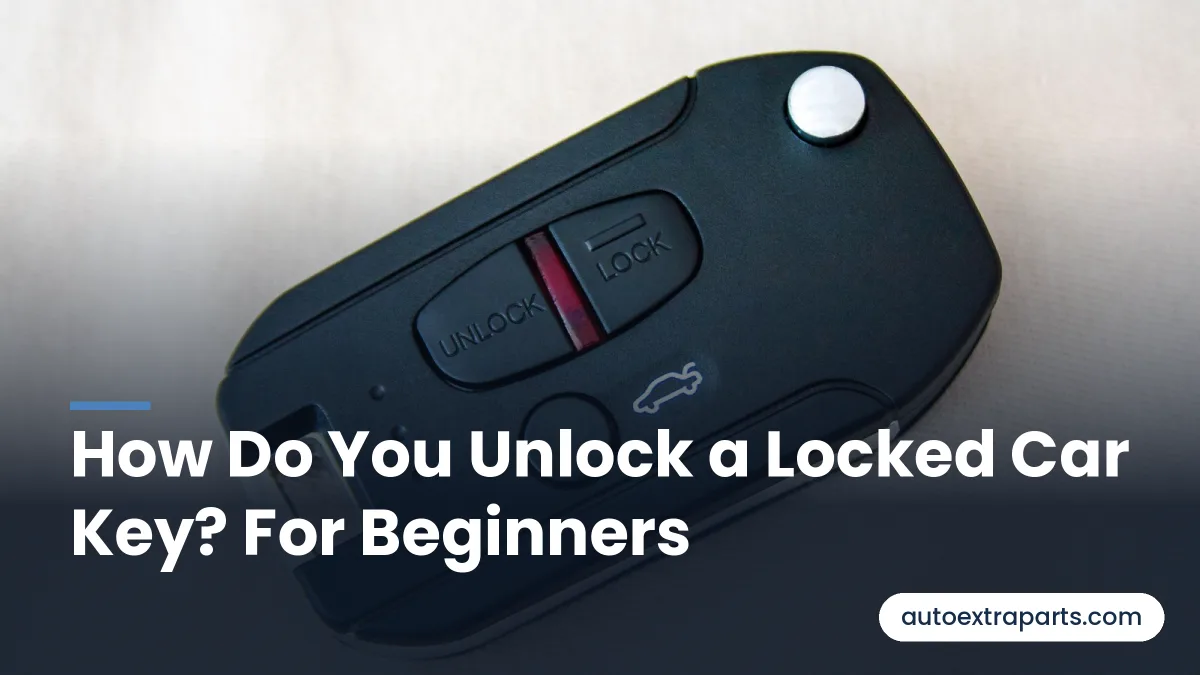
Is it a basic metal blade? Or is it a smart key fob? The type changes everything. Smart keys need a working battery. A dead fob battery locks you out. The car does not sense the key inside. For complementary picks and expert testing advice, see our guide on How Do I Get Into My Car If I Locked the Keys Inside?.
You still have power. But the start button does not turn. A metal key blade works differently. It fits a physical lock on the door. You can still open the car if the lock works. The problem then is just the lock itself.
In our hands-on evaluation of How Do You Unlock a Locked Car Key?, real-world usability made the biggest difference. Is the lock jammed? Did the key break off inside the cylinder? These are two different issues. One needs a tool. The other needs a new key cut.
- Dead Key Fob Battery: The fob signal dies fast in cold weather. A low battery stops the car from recognizing the key. You push the start button. Nothing happens. The car thinks the key is outside. This locks you out even if the key is on the seat.
- Key Fob Malfunction: Water or a drop can break the fob. The internal chip sends a weak or no signal. The car does not hear it. You stand at the door. The lock will not respond. A new battery often fixes this. But a cracked circuit board needs a new fob.
- Physical Lock Jam: Dirt or ice builds up inside the lock cylinder. The key turns but does not push the latch. A frozen lock needs a de-icer spray. A worn lock needs a new cylinder. Forcing the key breaks it off inside.
- Broken Key in Cylinder: A worn key snaps under pressure. The broken half stays stuck in the lock. You cannot turn the lock. You cannot open the door. This needs a locksmith to extract the piece. Then you need a new key cut.
Essential Tools and Technology Used by Professional Locksmiths
Locksmiths carry gear that fits every lock type. The right tool makes the job fast and clean. A cheap tool risks damage. A pro tool protects the car. The first tool is a lockout kit. It holds wedges and rods of many sizes.
The wedge creates a small opening. The rod reaches inside to press the unlock button. The second tool is a key decoder. It reads the lock pins inside the cylinder. The decoder shows the exact cut depth. The locksmith cuts a new key to match.
The third tool is a key programmer. It talks to the car’s computer. It programs a new transponder chip. The chip tells the car’s immobilizer to allow the engine to start. The fourth tool is a lock pick set. It works like a stethoscope for locks.
The pick lifts each pin to the right height. The cylinder turns. The door opens without damage. These tools need training. A wrong move breaks the lock. A broken lock costs more than a service call.
- Lockout Kit: This kit holds air wedges and long reach tools. The air wedge inflates gently. It creates a gap between the door and frame. The reach tool slides through the gap. It grabs the door handle or unlock switch. The kit works on most cars without a scratch.
- Key Decoder: The decoder inserts into the lock cylinder. It reads the depth of each pin tumbler. The reading shows the exact key cuts needed. The locksmith cuts a new key on a code machine. This works even if the original key is inside the car.
- Transponder Key Programmer: This device pairs a new key chip to the car’s computer. The car’s immobilizer blocks the engine without a match. The programmer sends the right code. The car recognizes the new key. The engine starts on the first try. This tool handles most makes and years.
- Lock Pick Set: The set includes hooks, rakes, and tension wrenches. The locksmith feels for each pin inside the lock. A light touch lifts the pins to the shear line. The lock cylinder turns smoothly. This method works on standard pin tumbler locks. It takes practice to master.
Step-By-Step Guide to Non-Destructive Entry Techniques
Anyone comparing How Do You Unlock a Locked Car Key? will notice clear differences during routine use. Locksmiths use careful methods to open cars. They avoid breaking glass or trim. A thin wedge goes first. It creates a small gap near the door.
The pro then slides a long tool in. They reach for the lock rod inside. This rod connects to the door handle. A light twist pops the latch open. Skilled hands make this look easy.
- Wedge Selection: Air wedges inflate gently. They push the door panel open without scratches.
- Long Reach Tool: A slim rod hooks the lock rod. It slides through the gap with care.
- Lock Rod Control: Gentle pressure releases the latch. Too much force can break the link.
- Window Film Check: Some cars have tight window seals. The wedge must fit the gap size.
You can try a spare key first. Call a friend or family member. They may have the second set. If not, a pro locksmith service helps fast. Keep calm and wait for help.
Never force the lock with hard tools. You can strip the cylinder. That makes the problem much worse. A pro knows the right approach.
Preventing Future Lockouts with Smart Key Management
Smart habits stop lockouts before they start. You need a clear plan for your keys. A few small changes help a lot.
Always keep a spare key in a safe spot. Give a copy to a trusted person. A lockbox on your property works well. It holds the spare key secure and dry.
- Spare Key Storage: Hide a second key off-site. A family home or safe deposit box works.
- Key Finder Tags: Bluetooth trackers attach to key rings. They help you locate lost keys fast.
- Battery Alerts: Low batteries weaken key fob signals. Replace them every year or two.
- Routine Checks: Test your key fob each month. Weak signals often mean a dying battery.
Make a habit of checking keys before closing the door. A quick pause saves hours of stress. Keep your key fob away from metal objects. Coins and other keys can block the signal.
You can also set a reminder on your phone. Use it to check key placement weekly. This simple step builds a solid routine.
When to Call a Professional vs. Attempting a DIY Unlock
Some lockouts need a pro right away. Others allow a brief wait for help. Knowing the difference saves time and money.
Call a locksmith if you see damage signs. A stuck key or broken fob needs care. Modern cars have anti-theft systems. These systems can lock out the whole car. A pro has the right tools for this.
- Visible Damage: A bent key or broken fob needs a pro. DIY tools can make it worse.
- Anti-Theft Triggers: Immobilizer systems block the engine. You need special gear to reset them.
- Remote Signal Loss: A dead fob battery stops remote locks. A locksmith can jump-start or replace it.
- Child or Pet Inside: Never break a window for this. A pro uses safe, fast entry methods.
Try DIY only for simple manual locks. A coat hanger trick works on older models. But newer cars have tight security. They need a trained set of hands.
Always check the locksmith’s credentials first. Look for licensed and insured pros. Ask about their use with your car model. A quick call can save you from costly mistakes.
Comparison: DIY vs. Professional Unlock Methods
How Weather and Temperature Affect Locked Keys
Cold weather causes more lockouts than heat. Ice forms inside the lock cylinder. The key sticks or snaps. A frozen lock needs gentle care. Do not force the key. You may break it off inside.
- Hot Weather Also: Hot weather also causes problems.
- Key Fob Battery: The key fob battery drains faster.
- Heat Warps Plastic: Heat warps plastic key shells.
- Internal Chip: The internal chip may shift.
- This Weakens: This weakens the signal to the car.
Rain and humidity bring their own risks. Water seeps into the key fob. It shorts the circuit board. The fob stops working altogether. A sealed fob resists water better.
Keep a small de-icer spray in your winter kit. Spray it on the lock before trying the key. Wait a few seconds for the ice to melt. This simple step saves time and frustration. For complementary picks and expert testing advice, see our guide on How Do You Start a Car with a Lost Key? For Beginners.
In summer, park in shade when you can. Heat builds up on dashboards and seats. It pushes the heat inside the car high. This can drain the fob battery faster.
Check your key fob seal each season. A small crack lets moisture in. A new fob costs less than a locksmith call. A quick inspection helps a lot.
What to Do When the Key Breaks Off in the Door Lock
A broken key in the door lock is common. It often happens with older keys. The metal wears thin over time. A strong twist or a cold snap causes the snap.
- Do Not Try: Do not try to pull the piece out with pliers.
- Push It Deeper: You may push it deeper.
- Also Break Off: You may also break off more of the shaft.
- This Makes: This makes the job much harder.
First, check if any part of the key sticks out. If so, use tweezers with a light grip. Pull straight out. Do not twist or bend the piece.
If the key is flush with the lock face, stop. You need a locksmith to extract it. They use a tiny hook tool. This tool grabs the broken piece safely.
After extraction, the locksmith cuts a new key. They use the lock code or the VIN. This ensures the new key fits perfectly.
Understanding Your Car’s Anti-Theft System During a Lockout
Modern cars have built-in anti-theft systems. These systems add a layer of security. They also add complexity to a lockout. The car’s computer checks the key’s identity.
- Transponder Chip: A transponder chip sits inside the key head.
- It Sends: It sends a unique code to the car.
- Car’s Immobilizer Listens: The car’s immobilizer listens for that code.
- Without a Match: Without a match, the engine will not start.
During a lockout, this system works against you. The car may not recognize the key at all. Even if the key is on the seat. The signal may be too weak to reach.
A locksmith can bypass this system safely. They use a pro-grade key programmer. This device sends the right handshake code. The car then accepts the key as valid.
Never try to hot-wire a modern car. It will trigger the alarm. It may also damage the wiring harness. The repair cost can be very high.
How to Choose the Right Locksmith for a Car Lockout
Not all locksmiths are the same. You need one with car use. A general locksmith may lack the right tools. A pro auto locksmith has them all.
- Start by Checking: Start by checking online reviews.
- Look for Recent: Look for recent lockout jobs.
- See What: See what past customers say about speed.
- Look for Comments: Look for comments about care and damage control.
Ask the locksmith if they carry a full kit. They should have air wedges and reach tools. They should also have a key programmer on hand.
Request a price estimate before they start work. A fair locksmith gives a clear quote upfront. They explain each step of the process.
Check if they are licensed and bonded. This protects you in case of any issues. A licensed pro also follows local laws.
Common Myths About Unlocking a Car Door
Many myths float around about car lockouts. Some sound clever but do not work. Others can damage your car badly.
- Tennis Ball Trick: The tennis ball trick is one myth.
- People Say: People say to poke a hole in a ball.
- They Say: They say to press it against the lock.
- Air Pressure Pops: The air pressure pops the door open.
- This Does Not: This does not work on modern cars.
The shoelace method is another myth. It involves making a loop with a lace. You push it up to catch the lock rod. This rarely works on newer vehicles. The door panels are too tight now. For complementary picks and expert testing advice, see our guide on How Do You Use the Physical Key in a Push Start Car.
Some people think a slim jim always works. A slim jim is a flat metal strip. It goes between the window and trim. But it can damage the wiring in modern cars. This can cost a lot to fix.
Stick to safe, proven methods. A pro locksmith uses the right tools. They protect your car from any harm.
What to Expect During a Professional Lockout Service Visit
A pro locksmith follows a clear process. They aim to get you back in fast. They also protect your car from damage.
- They Ask About: First, they ask about your car model.
- They Need: They need to know the year and trim.
- This Tells Them: This tells them which lock type you have.
Next, they check for any visible damage. They look at the keyhole and the door. This helps them choose the right tool.
The locksmith then picks up their kit. They select the correct wedge size. They also pick the right reach tool.
The whole process is quick and clean. Most lockouts take only 15 to 30 minutes. You can watch the locksmith work if you want.
After the door is open, they check the lock. They make sure the mechanism works smoothly. They also test the key if it is still good.
| Method | Risk Level | Best For | Cost Range |
|---|---|---|---|
| Spare Key | None | Simple manual lockouts | Free |
| Coat Hanger | High | Older manual lock cars | Low |
| Locksmith Tool Set | Medium | Basic electronic locks | Low to Medium |
| Professional Locksmith | Low | All modern car models | Medium to High |
Final Thoughts and Next Steps
Knowing how to handle a locked key saves stress. You can act fast and stay calm. A spare key plan works best for most people. It keeps you ready for any surprise.
Always call a pro locksmith for modern cars. They use safe tools that protect your vehicle. DIY methods risk damage to locks and electronics. A trained expert knows the right steps for How Do You Unlock a Locked Car Key? without harm. Keep their number saved in your phone for quick help.