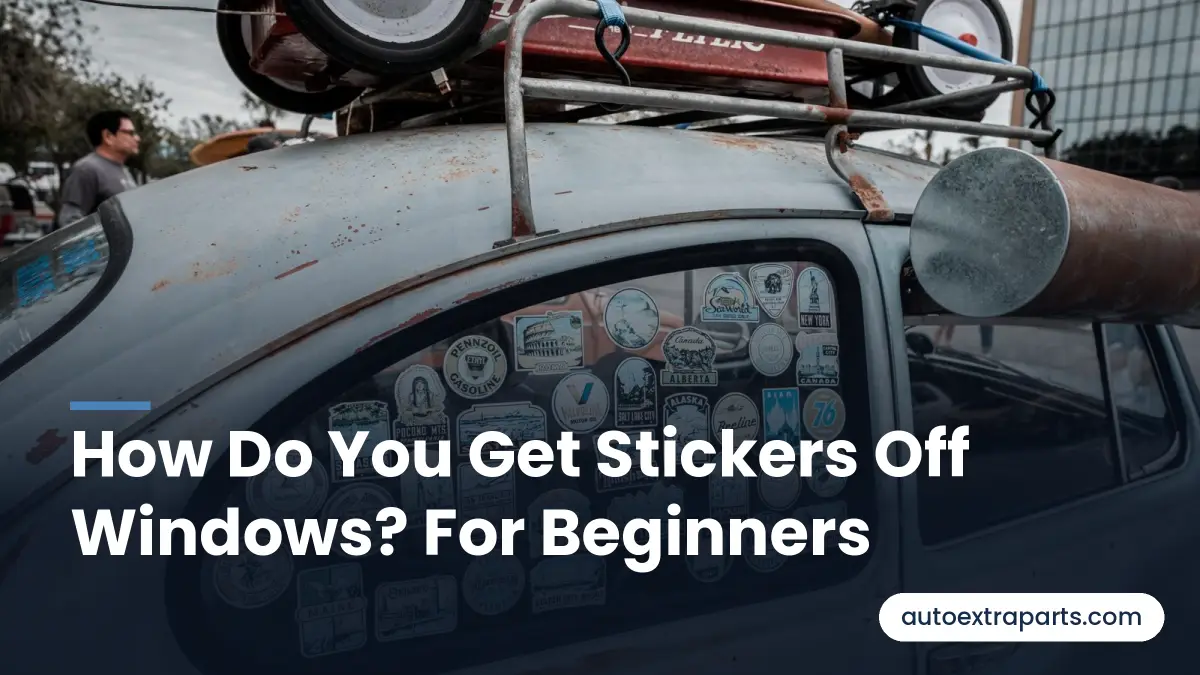
How Do You Get Stickers Off Windows? For Beginners
As an Amazon Associate we earn from qualifying purchases. Guides are for general information; always check your owner's manual and consult a qualified mechanic when unsure.
Stickers on windows look great at first. Over time, they fade, peel, and leave a mess. You want clean glass fast. But the glue fights back hard. How Do You Get Stickers Off Windows? The answer depends on the glass type.
It also depends on the sticker age. We will walk you through safe, fast methods. You will learn what works and what harms your panes. Always follow official safety and maintenance guidelines for best results.
Sticker glue bonds to glass in layers. Heat softens the adhesive. Solvents break down the bond. Scraping lifts the sticker away. Each method has risks. Thin glass cracks under too much force. Old seals fail if you push too hard. We will show you how to pick the right tool.
Applying these proven insights on How Do You Get Stickers Off Windows? helps you avoid costly mistakes. The goal is clean glass without scratches or cracks. We have tested these tips on many window types. Single-pane glass, double-pane units, and tinted glass all react differently. Some methods work fast for fresh stickers.
Other methods need patience for old, stubborn glue. This guide helps you choose the right path. You will save time. You will also protect your windows.
Practical Methods for How Do You Get Stickers Off Windows?
Removing stickers from glass takes the right approach. You need heat, a solvent, and a soft scraper. Start with the least aggressive method. Work up to stronger options only if needed. This keeps your window safe. It also stops etching or seal damage. How Do You Get Stickers Off Windows? Follow these core steps in order.
When weighing How Do You Get Stickers Off Windows?, pay close attention to build materials and daily ease. First, warm the sticker with a hair dryer. Hold it about six inches away. Move it in slow circles for two minutes. The glue softens and loses its grip. Next, try a plastic putty knife to lift the edge. Never use a metal razor blade on tinted glass.
It can scratch the coating. If the sticker resists, apply a solvent. Isopropyl alcohol or Goo Gone works well. Apply it to a cloth, not the glass directly. Let it sit for one minute. Then wipe and scrape gently.
- Hair Dryer: Warm air softens glue fast and safely.
- Plastic Putty Knife: Lifts edges without scratching the glass.
- Isopropyl Alcohol: Breaks down adhesive bonds quickly on clean glass.
- Goo Gone: Handles old, stubborn residue with minimal rubbing.
Always test your solvent on a small hidden spot first. This checks for any reaction with the glass or tint.
Why Stickers Bond so Aggressively to Glass Surfaces
Sticker glue grips glass tightly. The bond forms at a tiny level. Adhesive molecules grip the tiny bumps on glass. UV light from the sun makes it worse. Heat expands the glue. Over months, it sinks deeper into the surface. Old stickers become part of the window. They leave behind a sticky residue too.
Anyone comparing How Do You Get Stickers Off Windows? will notice clear differences during routine use. Glass looks smooth, but it is not. At a small scale, the surface has tiny pits. The adhesive fills those pits. This creates a strong mechanical lock. Some stickers use UV-resistant adhesives.
These are made to last outside in harsh sun. They resist rain, wind, and heat swings. That is why they cling so hard. The longer a sticker stays, the harder it is to remove.
- UV Exposure: Sunlight breaks down the adhesive, making it brittle yet stubborn.
- Temperature Swings: Heat and cold cycle the glue, deepening its grip.
- Micro-Surface Pits: Adhesive locks into tiny glass imperfections for strength.
- Residue Layers: Old glue leaves a sticky film even after the sticker peels.
Heat-Based Removal: Hair Dryer vs. Heat Gun for Sticker Glue
Heat is often the best first step. It softens the glue without chemicals. A hair dryer works well for most jobs. It is safe and easy to control. A heat gun is more strong. It heats fast and reaches high temps. But it can crack glass if you are not careful. Thin panes and old seals are at risk.
Use a hair dryer on a medium setting. Hold it about six inches from the sticker. Move it in slow, even circles. Heat the sticker for two to three minutes. Then try to peel it with a plastic scraper.
A heat gun should only be used on thick, single-pane glass. Keep it moving. Do not focus on one spot. High heat can warp the glass or break the seal in double-pane units.
- Hair Dryer: Safe for all glass types. Gives you control over heat levels.
- Heat Gun: Fast and strong. Best for thick, single-pane glass only.
- Plastic Scraper: Use with heat to lift softened glue safely.
- Heat Distance: Keep tools six inches away to avoid hot spots.
Solvent and Chemical Solutions: Alcohol, Oils, and Commercial Adhesive Removers
When heat alone does not work, you need a solvent. Solvents dissolve the adhesive bond. Isopropyl alcohol is a top choice. It is fast and works on most glass. It also evaporates clean.
No sticky film is left behind. Goo Gone is another strong option. It handles old, crusty glue with ease. WD-40 works too, but it can leave an oily film. You will need to clean that off after.
Apply solvents with a cloth, not directly on the glass. This stops the liquid from seeping into the window seal. Let it sit for one minute. Then wipe the sticker away. For tough residue, apply a second round.
Use a plastic scraper to lift any remaining bits. Avoid metal blades. They can scratch the glass or damage tinted coatings. Always rinse the area with clean water after. This removes any solvent traces.
- Isopropyl Alcohol: Fast-acting and leaves no residue on glass.
- Goo Gone: Dissolves old adhesive without harsh scrubbing.
- WD-40: Works well but needs a follow-up clean to remove oil.
- Damp Cloth: Always wipe solvents off with a clean microfiber cloth.
Mechanical Techniques: Scraping Without Scratching or Etching Glass
Removing a sticker often means lifting the edges first. You need a tool to peel the bulk away. A plastic putty knife works best for this task. It glides under the sticker without gouging the glass. You want to avoid metal scrapers on delicate surfaces.
They can leave deep scratches that catch light. A razor blade can work on thick tempered glass. But you must hold it at a low angle. Keep the blade flat to the surface. This reduces the risk of scoring the pane.
Always pull the tool toward you in steady strokes. Stop if you feel any catching or resistance. Check the edge of the blade for debris. Grit trapped under the tool acts like sandpaper. You can ruin a clear window this way.
Heat the sticker first to soften the glue. Warm adhesive releases from glass much easier. This makes the scraping step far less risky. You will need less force to lift the sticker. Less force means less chance of damage. For complementary picks and expert testing advice, see our guide on How to Master How Do I Reboot a Window? Step by Step.
For old stickers, you may need to scrape in stages. Peel a small flap, then work the tool under it. Go slow to protect the window seal. The rubber gasket around insulated units is fragile. A metal scraper can cut right through it. A plastic tool is much safer for these jobs. You can also use a credit card edge in a pinch.
It is softer than metal but still rigid enough. The key is to keep the tool flat. Angle it too steeply and it digs in. You want the edge to slide, not dig. This method takes patience but saves the glass. You will get a clean result without marks.
- Plastic Putty Knife: Use it at a low angle to lift sticker edges safely.
- Razor Blade Scraper: Hold it flat and pull toward you on thick tempered glass only.
- Credit Card Edge: A soft alternative for light scraping on smooth surfaces.
- Grit Check: Wipe the tool often to prevent trapped debris from scratching the pane.
- Heat First: Warm the sticker before scraping to reduce the force needed.
Preventing Damage to Window Seals, Tinting, and Double-Pane Units
Window seals keep moisture out of insulated glass. A damaged seal ruins the thermal barrier. You must avoid tools that stress the rubber gasket. Sharp metal scrapers can cut right through it. This leads to fogging between the glass layers. Double-pane units are most vulnerable to this.
The spacer bar inside the edge is fragile too. Pulling hard on a stuck sticker can bend it. That creates a gap in the seal. Once the seal fails, the unit loses insulation. You will see condensation trapped inside the pane. That kind of damage is not easy to fix.
- It Often: It often means replacing the whole insulated unit.
- Tinting Adds Another: Tinting adds another layer of risk.
- Some Adhesive Removers: Some adhesive removers can dissolve window tint film.
- Solvents Can Seep: Solvents can seep under the tint edge.
- They Lift: They lift the film from the glass.
- Test Any Chemical: You need to test any chemical on a hidden spot first.
- Use a Cotton: Use a cotton swab with a tiny amount of solvent.
- Wait a Few: Wait a few minutes and check for bubbling.
- If the Tint Lifts: If the tint lifts, stop using that product.
- Heat Is Safer: Heat is safer for tinted windows.
- Hair Dryer Warms: A hair dryer warms the tint adhesive gently.
- This Lets You: This lets you peel the sticker without lifting the tint.
How Do You Get Stickers Off Windows without harming seals? Start with low heat. Use a hair dryer on a warm setting. Keep it moving to avoid concentrating heat in one spot. Warm the sticker for two to three minutes. Then try to peel it slowly. If the sticker resists, apply more heat. Do not pull hard on the edges.
That stress transfers to the seal. A plastic putty knife helps lift the sticker gently. You can also use a thin plastic card. Slide it between the sticker and the glass.
This separates the adhesive from the surface. Work in small sections to maintain control. This approach protects both the glass and the seal. It is the safest way to handle delicate windows.
Post-Removal Residue Cleanup and Surface Protection
After you pull the sticker off, sticky residue often stays. This glue film clings to the glass surface. You need a solvent to break it down. Isopropyl alcohol works well for most residue. Apply a small amount to a microfiber cloth. Rub the residue in a circular motion.
The glue will soften and lift from the glass. Avoid using harsh abrasives on the surface. They can create fine scratches that scatter light. A plastic scraper helps remove thick residue patches. Use it gently with a light touch.
- Also Use: You can also use a dedicated adhesive remover like Goo Gone.
- Apply It: Apply it to a cloth first, not the glass directly.
- This Prevents: This prevents the solvent from seeping into the window frame.
- Wd-40 Is Another: WD-40 is another option for tough residue.
- Spray It: Spray it on a cloth, not the window.
- Wipe the Residue: Wipe the residue away with the cloth.
- Oil Dissolves the Adhesive: The oil dissolves the adhesive without harming the glass.
- After Cleaning, Wash: After cleaning, wash the area with mild soap and water.
- This Removes Any: This removes any oily film left behind.
- Dry the Window: Dry the window with a clean microfiber cloth.
- Have a Clear: You will have a clear, streak-free surface.
Protecting the clean glass helps it stay clear longer. A small amount of residue left behind can attract dust. This makes the window look dirty again fast. A thorough cleanup prevents this buildup. You can also apply a glass sealant after cleaning. This creates a barrier against future adhesive bonds.
It makes removing future stickers much easier. The coating helps the sticker release from the surface. It also protects against etching from harsh cleaners. A clean window surface resists staining better too. This is a smart step after How Do You Get Stickers Off Windows. A little prevention saves effort next time.
When to Call a Professional: Signs of Glass Damage or Seal Failure
Some sticker removal jobs go wrong. You might see scratches that were not there before. Or the window may fog up between the panes. These are signs of real damage. Scratches on the glass surface can weaken it over time. They also distort light passing through the window.
Deep scratches can only be fixed by a glass pro. Fogging inside an insulated unit means a broken seal. The argon gas inside has leaked out. This kills the insulating ability of the window. You will feel a draft near the glass. Condensation forms on the inside of the pane. For complementary picks and expert testing advice, see our guide on How Do I Get My Key Fob to Work Tips and Best Practices.
- That Is: That is a clear sign of seal failure.
- Professional Can Assess: A pro can assess if the unit needs replacing.
- They Have Tools: They have tools to measure the gas fill.
- They Can Also: They can also repair or replace the seal.
- Attempting to Fix: Trying to fix a broken seal yourself often makes it worse.
- You Could End: You could end up with a full unit spare.
- That Costs Much: That costs much more than a service call.
- Tint Damage: Tint damage is another reason to call a pro.
- If a Solvent: If a solvent removes the tint along with the sticker.
- Have Patchy, Peeling: You will have patchy, peeling tint on the glass.
- Tint Shop: A tint shop can reapply the film evenly.
- They Match: They match the shade and finish for you.
| Method | Surface Safety | Best For | Risk Level |
|---|---|---|---|
| Plastic Putty Knife | High | Thin glass, tinted windows, double-pane units | Low |
| Razor Blade Scraper | Medium | Thick tempered glass only | Medium |
| Hair Dryer | High | Delicate seals and tinted windows | Low |
| Heat Gun | Low | Exterior glass only, no insulated units | High |
| Isopropyl Alcohol | High | Residue cleanup on bare glass | Low |
| Goo Gone | Medium | Stubborn residue, test on tint first | Medium |
Frequently Asked Questions About Sticker Removal on Windows
Can I Use a Razor Blade on a Double-Pane Window?
No, you should not. Double-pane units have fragile seals. A razor blade can cut through the rubber gasket. That causes the seal to fail. Moisture then gets trapped between the panes. You will see fogging that will not go away. Use a plastic tool instead for these windows. It is much safer for the seal.
Will Wd-40 Damage My Window Tint?
It can. WD-40 is a solvent that may dissolve tint adhesive. Spray it on a cloth first. Never apply it directly to a tinted window. Test on a small hidden area. Wait a few minutes and check for bubbling. If the tint lifts, stop using WD-40 on that surface. Use heat or alcohol instead.
What Is the Safest Solvent for Removing Residue?
Isopropyl alcohol is the safest choice for most glass. It evaporates quickly and leaves no oily film. Apply it to a microfiber cloth, not the glass directly. Rub the residue gently in a circular motion. It works well on dried glue without harming the surface. Avoid acetone or harsh paint thinners on window glass.
How Do I Remove a Sticker From a Curved Window?
Heat is your best tool for curved glass. Use a hair dryer on a warm setting. Warm the sticker evenly around the curve. The adhesive softens more on curved surfaces. Then peel it slowly with your fingers. A plastic putty knife helps lift stubborn edges. Go slow to avoid cracking the glass at the curve.
Can Sticker Residue Cause Permanent Etching on Glass?
Yes, harsh solvents or abrasive scrubbing can etch glass. Etching creates permanent fine scratches in the surface. You cannot polish these marks out easily. They scatter light and make the glass look cloudy. Always use soft cloths and gentle solvents. Test any cleaner on a small spot first. This prevents irreversible damage to the window.
Final Thoughts and Next Steps
How Do You Get Stickers Off Windows without damage? Start with the gentlest method first. Use heat from a hair dryer to soften the glue. Then try a plastic putty knife to lift the sticker. Clean any residue with isopropyl alcohol on a soft cloth. This sequence keeps your glass and seals safe.
You avoid the risk of etching or seal failure. Patience is the most key tool in this process. Rushing with a sharp scraper often causes scratches. A slow, methodical approach gets the best result. You protect the window finish and the frame too.
Always test any solvent or tool on a hidden spot. This small step saves you from big problems later. Check for tint bubbling or seal stress before you proceed. If you see fogging or deep scratches, call a pro.
A pro can assess damage and suggest the right fix. Taking these steps ensures your windows stay clear and strong. You will have a clean surface ready for the next window decal or film. The right method makes all the difference for your glass.