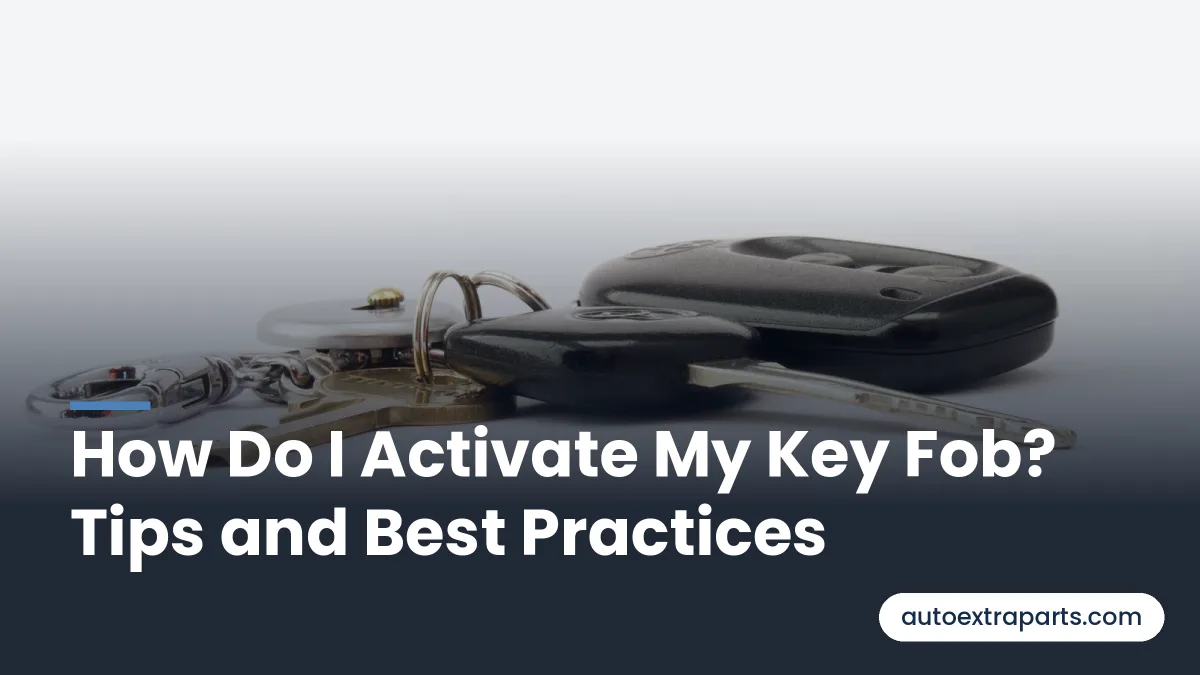
How Do I Activate My Key Fob? Tips and Best Practices
As an Amazon Associate we earn from qualifying purchases. Guides are for general information; always check your owner's manual and consult a qualified mechanic when unsure.
You want to start your car with a push of a button. When it comes to How Do I Activate My Key Fob?, having steady, tested guidance makes all the difference. But first, you need to activate the fob. Many new owners skip this step. They assume the fob works right out of the box. That is not true. You must pair the fob to the car’s computer.
This link lets the car know the fob is real. Without it, the engine will not start. We will walk you through the full process. You will learn the basic methods, battery tips, and brand-specific steps. We also cover how to fix common signal problems. Let us get your fob working right now. Always follow official safety and maintenance guidelines for best results.
Practical Methods for How Do I Activate My Key Fob?
You have two main paths to activate a fob. The first is the self-service method. You do this at home with no tools. The second is the dealer or locksmith route. They use a scan tool to program the fob. Both methods link the fob ID to the car.
Applying these proven insights on How Do I Activate My Key Fob? helps you avoid costly mistakes. The car’s immobilizer then allows the engine to fire. Your owner’s manual lists the exact steps. Do not guess. Wrong steps can lock the system. We will show you the safe way to proceed. For complementary picks and expert testing advice, see our guide on How Do I Get a New Key and Fob for My Car?.
- Self-Service Route: Use the manual steps for your car brand.
- Dealer Method: A tech plugs in a scan tool to the OBD port.
- Locksmith Option: A pro locksmith can program most makes on site.
- Online Kits: Some fobs come with instructions for DIY pairing.
Before you start, gather your tools. You need the new fob, a fresh battery, and your car key. Find a quiet spot. Stand near the driver’s door. Turn off all other electronics. Radio noise can confuse the pairing process. A calm space gives you the best chance of success.
The self-service route works for most late-model cars. You put the key in the ignition. You cycle it to the run position. Then you press the fob button. The car light flashes or beeps. That tells you the system is ready. You must act fast. The pairing window is short. If you miss it, start over.
In our hands-on evaluation of How Do I Activate My Key Fob?, real-world usability made the biggest difference. The dealer method is faster but costs more. A tech hooks a scan tool to your car. The tool reads the car’s security code. It then writes the new fob ID. This method works even if the old fob is lost. The dealer can also reset the whole system. That clears all old fob codes. Only one new fob remains active.
A locksmith is often the best middle path. They cost less than a dealer. They also carry more tools than most shops. A mobile locksmith can come to you. They program the fob on the spot. You do not need a tow truck. This saves time and money. Always ask for proof of licensing first.
Online kits are a newer option. They sell blank fobs pre-programmed for your model. You still need to pair the fob. The kit includes step-by-step cards. These cards list the exact button order. Follow them closely. Do not skip a step. The car will not accept a half-done process.
Battery Replacement and Signal Verification Protocols
When weighing How Do I Activate My Key Fob?, pay close attention to build materials and daily ease. A weak battery kills your fob signal fast. The car will not read the fob at all. You must check the cell first. Most fobs use a CR2032 coin cell. This small battery sends a radio signal at 315 MHz or 433 MHz. If the voltage drops below 2.3 volts, the range shrinks.
You may stand right by the car and still fail. Replacing the battery is the first fix to try. It costs under five dollars. A fresh cell restores full signal power. After you swap the battery, test the fob at different distances. Check near the door, near the steering column, and from ten feet away.
- CR2032 Cell: The standard coin battery in most fobs today.
- Voltage Test: A fresh cell should read 3.0 volts or higher.
- Signal Range: Test the fob at one foot, five feet, and ten feet.
- Clean Contacts: Wipe the battery terminals with a dry cloth first.
Anyone comparing How Do I Activate My Key Fob? will notice clear differences during routine use. Opening the fob case is easy. Use a small flathead screwdriver. Gently pry along the seam. Do not force it. The case snaps open with light pressure. Inside you will see the battery and a small circuit board. The battery sits in a metal holder. Note which side faces up. You will need that info for the new cell.
Remove the old battery with tweezers. Slide it out slowly. Do not touch the board with your fingers. Oils from skin can harm the circuits. Place the new CR2032 in the holder. Match the plus and minus signs. Push the cell down until it clicks. Snap the case back together. Test the fob before you reassemble it fully.
Signal verification is a key step. A new battery does not guarantee a strong signal. You must test the fob in real conditions. Stand one foot from the car. Press the lock button. The doors should click.
Applying these proven insights on How Do I Activate My Key Fob? helps you avoid costly mistakes. Move to five feet away. Try again. Walk to ten feet. The fob should still work. If it fails at any point, the battery may be bad. Or the fob may have a deeper issue.
Clean the battery contacts while you are at it. Use a dry cloth or a pencil eraser. Rub the contacts gently. This removes any green or white gunk. Good contact means a stronger signal. It also extends the life of the new battery. Dirty contacts can mimic a dead fob. Cleaning them often fixes the problem fast.
Manufacturer-Specific Activation Sequences for Domestic and Import Vehicles
Each car brand uses a unique activation sequence. Ford and Chevy use a different method than Toyota or Honda. BMW relies on a specific sensor zone near the start button. You must follow the exact steps for your make. Skipping a step will not work. The car will not enter programming mode.
Here are the common paths for popular brands. Always start with the ignition in the off position. Then follow the button sequence that matches your vehicle. The car will flash a light or beep to confirm the mode. From there, you press the fob button to pair it.
- Ford Method: Cycle the key to run eight times in ten seconds.
- Toyota Path: Close all doors, then press the lock button on the fob.
- BMW Proximity: Press the start button with the fob inside the cabin.
- Chevy Steps: Insert the key to the run position and hold the lock button.
Ford vehicles use a key cycle method. Put the key in the ignition. Turn it to the run position. Do not start the engine. Turn it back to off. Repeat this eight times in ten seconds.
The door locks will cycle. That means the car is in programming mode. Now press the fob lock button. The locks cycle again. You have ten seconds to do this. If you miss it, start the cycle over.
Toyota cars use a door-based method. Close all doors and the trunk. Press the lock button on the fob. Now open the driver door. Wait five seconds. Press the lock button again. Close the door. The fob is now paired. This method works on most Toyota models. It also works on older Lexus vehicles. If it fails, try the key cycle method instead.
BMW uses a proximity-based system. Place the fob inside the cabin. Sit in the driver seat. Press the start button. The car will not start yet. It enters a learning state. Now press the lock button on the fob. The lights will flash. The car has accepted the fob. This method works for most BMW models. It also works for some Mini vehicles.
Chevrolet models use a key and button method. Insert the key into the ignition. Turn it to the run position. Do not start the car. Press and hold the lock button on the fob. Wait for the doors to lock. Release the button. Turn the key back to off. The fob is now active. This sequence works on most GM cars. It also works on Buick and Cadillac models.
Honda vehicles use a simple two-step process. Turn the ignition to the run position. Press the fob lock button. Wait for the doors to lock. Turn the ignition back to off. The fob is now paired. This method works on most Honda and Acura models. If the car does not respond, check the battery first. A weak fob battery is the most common cause.
Programming Mode Entry and Immobilizer Synchronization
Programming mode is the car’s hidden setup state. It lets you add or change a fob ID. The immobilizer is the security lock inside the car. It blocks the engine if the fob ID is unknown. When you enter programming mode, you tell the car to listen. The car then waits for the fob to send its unique code.
Once the code matches, the immobilizer clears. The car now accepts that fob as a valid key. This sync process takes a few seconds. If you do not press the fob button in time, the mode times out. You must start the whole sequence again. Always work in a quiet space with no radio noise nearby.
- Ignition Cycles: Turn the key on and off to trigger the mode.
- Fob Button Press: You have a short window to sync the new fob.
- Immobilizer Reset: The system clears old codes and accepts the new one.
- Time Limits: Most cars exit programming mode after 30 seconds of silence.
The immobilizer is a small computer inside the car. It stores a list of valid fob IDs. Each fob has a unique code. When you start the car, the immobilizer checks that code. If the code matches, the engine fires. If it does not match, the engine stays dead. This is why a new fob must be added to the list.
Programming mode puts the car in a listening state. The car stops checking old codes. It waits for a new one. This window is very short. You have only a few seconds to press the fob button. If you miss the window, the car locks up again. You must start the whole sequence from scratch.
Some cars allow multiple fobs to be added. You can pair two or three fobs at once. This is useful for families. Each fob gets its own unique code. The car stores all of them. You can use any of the paired fobs to start the engine. To add a new fob later, you must re-enter programming mode.
Rolling codes add another layer of security. The fob and car sync codes each time. A new code is used for every press. This prevents hackers from copying the signal. If the car battery dies, the sync can reset. You must re-pair the fob after a jump start. This is a common issue that surprises many owners.
Always work in a quiet space. Radio noise can interfere with the signal. A quiet garage is the best place. Avoid near power tools or radios. The fob signal is weak. It needs a clear path to the car. Standing too far away also hurts the signal. Stay within a few feet of the car.
Troubleshooting Failed Activation and Signal Interference
Your key fob may fail to start. This often points to signal problems. Other times, it points to a dead battery. You can fix many issues at home. For complementary picks and expert testing advice, see our guide on How Do You Start a Car with a Lost Key? For Beginners.
Signal interference blocks your fob’s message. Large buildings, thick walls, and even other electronics can cause this. Your car may not hear the signal. That stops the start process cold.
Try standing near the door button. Hold the fob right against the start knob. This close contact boosts the weak signal. It tells the car to wake up.
- Signal Blockers: Metal roofs, concrete garages. Crowded transit areas can block the fob’s radio waves. Stop your How Do I Activate My Key Fob? process from working.
- Battery Voltage: A low CR2032 battery drops the signal strength. The car reads it as a dead fob and refuses to start the engine.
- Frequency Clash: Some aftermarket fobs use 315MHz or 433MHz. A wrong frequency means the car never hears your signal at all.
- Rolling Code Error: The fob and car sync codes each time you use them. A dead car battery can reset this sync and break the link.
You can fix a signal problem fast. Put the dead fob against the start button. Then press it hard. The car uses a backup antenna there.
If close contact works, your fob battery is weak. Replace it with a fresh CR2032. This small coin cell costs under five dollars. You can buy one at any drug store.
Signal interference is a hidden foe. It comes from many sources. A metal roof blocks radio waves. A concrete garage walls do the same. Even a crowded parking lot can cause problems. Other cars and electronics emit signals too. They can clash with your fob’s frequency. The result is a failed start.
Try a different spot. Move away from tall buildings. Step out of the garage. Stand in the open air. These small changes can fix the problem. The fob needs a clear path to the car. A few feet of distance can make a big difference.
Aftermarket fobs are a common source of trouble. They may use the wrong frequency. A 315 MHz fob will not work in a 433 MHz car. Check the frequency before you buy. The car manual lists the correct number. Match the fob to the car. A wrong match will never pair.
A rolling code error can also cause failure. The fob and car sync codes each time you use them. If the car battery dies, the sync resets. The fob and car no longer match. You must re-pair them. This is a common issue after a jump start. It is also common after a long period of no use.
If none of these steps work, the fob may be broken. The circuit board inside could be damaged. Water or heat can cause this. A drop can also crack the board. In this case, you need a new fob. A locksmith can help you choose the right one.
When to Seek Professional Help: Locksmith and Dealership Procedures
Some fob problems need a trained eye. A locksmith can fix what you cannot. They have special tools and deep knowledge. They know every car’s hidden quirks.
A dealership has the factory tools. They can program a new fob to your car. They also reset the immobilizer system. This stops a dead fob from locking you out forever.
You should call a pro if your fob gets wet. Water shortens the circuit board inside. A locksmith can test the fob and often fix it. They can also cut a new mechanical key if you lose yours.
- Immobilizer Reset: A dealer hook-up clears the security lockout. It re-links your fob to the car’s brain without erasing other settings.
- Transponder Cutting: Locksmiths can read your VIN and cut a new key. They match the chip inside to your car’s engine control unit.
- OBD-II Programming: A pro uses a scanner to put the new fob into the car. This step pairs the rolling code to your specific vehicle safely.
- Emergency Override: Some cars have a hidden key slot. A locksmith knows where it is. They can start the car when the fob fails completely.
Do not try to program a fob yourself if the manual says to use a dealer. Wrong steps can lock the immobilizer for good. That repair costs a lot of money. A pro saves you time and stress.
A locksmith is often the best choice for fob issues. They have tools that work on many brands. They can fix a wet fob or a broken one. They can also cut a new mechanical key. This is helpful if you lose your key. A locksmith can come to your home or office. They save you a tow and a trip to the dealer.
A dealership has factory-level tools. They can program a fob even if you have no old one. They can also reset the whole immobilizer system. This is useful if you bought a used car. The old owner’s fobs may still be active. A dealer can clear them all. Only your new fob will work. This adds a layer of security.
Emergency overrides are a last resort. Some cars have a hidden key slot. It is behind a small cover near the start button. You insert the mechanical key there. The car starts without the fob. This is a backup system. It is not meant for daily use. A locksmith can show you where this slot is.
Water damage is a common fob problem. If your fob falls in water, act fast. Take the battery out right away. Dry the board with a soft cloth. Let it air dry for a full day. Do not use a hair dryer. The heat can melt the parts. After it dries, put in a new battery. Test the fob. If it still fails, the board is likely dead. You need a spare fob.
Preventive Maintenance and Long-Term Key Fob Reliability
A little care keeps your fob working for years. You should check the battery twice a year. A fresh battery stops surprise lockouts. It also keeps the signal strong and clear.
Store your fob away from strong magnets. Magnets can mess up the chip inside. Also, keep it out of direct sun. High heat melts the plastic shell and harms the circuit.
Clean the buttons with a dry cloth. Dirt and grime block the contacts. A soft brush works well for this. You can also use a tiny bit of rubbing alcohol on a cotton swab. For complementary picks and expert testing advice, see our guide on How Do You Use the Physical Key in a Push Start Car.
- Battery Check: Swap the CR2032 every two years. A weak battery slows the signal. Can make your How Do I Activate My Key Fob? steps fail at the worst time.
- Button Care: Press buttons gently. Hard presses wear out the rubber dome. Worn rubber leads to missed signals and lost range.
- Spare Fob: Keep a second fob in a safe place. It saves you if the main one breaks or gets lost on a road trip.
- Housing Check: Inspect the plastic case for cracks. Water seeps into cracks and kills the circuit board fast. A new case costs very little.
You can also test your fob range often. Stand ten feet from your car and press the unlock button. If it fails, change the battery right away. Small steps stop big problems later.
A spare fob is your best insurance. Keep it in a safe place at home. Use it only when needed. This keeps the battery fresh. It also ensures you have a working fob in an emergency. A dead fob on a road trip is a bad scene. A spare saves you from a lockout.
Button care is often overlooked. The rubber dome under each button wears out. It loses its spring over time. A worn dome causes missed signals. The fob still lights up. But it does not send the right code. You must press harder. This makes the problem worse. Replace the fob if the buttons feel mushy.
The plastic housing can crack over time. This lets moisture seep in. Water shorts the circuit board. A small crack can cause a big failure. Inspect the fob case often. If you see a crack, wrap it in tape. Better yet, get a spare case. They cost very little. They save the fob from total failure.
Heat is a fob’s worst enemy. Leave it on a dashboard in summer. The plastic will melt. The circuit board can warp. Store the fob in a cool, dry place. A small pouch or a drawer works well. Keep it away from the engine bay. The heat there is extreme. It can kill a fob in hours.
Test your fob range on a regular basis. Stand ten feet from the car. Press the lock button. If it fails, do not ignore it. Change the battery right away. A weak signal today is a dead fob tomorrow. Small care stops big problems. It also saves you from a lockout at the worst moment.
Key Fob Specs and Reliability Comparison
| Type | Battery | Freq | Range | Life |
|---|---|---|---|---|
| Passive Smart Key | CR2032 | 433MHz | 30 ft | 3-4 yrs |
| Active Push-Button | CR2025 | 315MHz | 20 ft | 2-3 yrs |
| Standard Remote | CR2032 | 433MHz | 50 ft | 4-5 yrs |
| Valet Key | None | N/A | Manual | 10+ yrs |
Frequently Asked Questions
What Happens If I Drop My Key Fob and It Stops Working?
Dropping a fob can crack the circuit board inside. The impact also shifts the tiny battery. Open the case and check for visible damage. If the board looks fine, put in a new battery and test it again.
Can I Use a Non-Oem Fob to Start My Car?
Aftermarket fobs work on many cars. But they may not match the rolling code. A pro must program the new fob to your car. This step ensures the immobilizer accepts the signal.
How Do I Know If My Fob Frequency Is 315mhz or 433mhz?
Check your car manual. It lists the exact frequency. You can also look at the fob model number on the back. A quick online search with that number gives the answer fast.
Will a Dead Key Fob Battery Drain My Car Battery?
No. A dead fob battery stops the fob from sending signals. It does not pull power from the car battery. Your car runs fine with a dead fob if you use the hidden key slot.
How Long Does It Take a Locksmith to Program a New Fob?
Most locksmiths finish the job in under thirty minutes. They need your VIN and proof of ownership. The time varies by car brand and the type of fob involved.
Final Thoughts and Next Steps
Knowing how to fix a fob saves you time and money. You can swap a battery and reset a signal in minutes. A little care keeps your fob working day after day. Store it safely and check the battery often.
When you wonder How Do I Activate My Key Fob? again, start with the basics. Check the battery first. Then try close-contact start methods. If those steps fail, call a locksmith or dealer. They have the tools to get you back on the road fast.