Can I Insure a Car Not in My Name? For Beginners
As an Amazon Associate we earn from qualifying purchases. Guides are for general information; always check your owner's manual and consult a qualified mechanic when unsure.
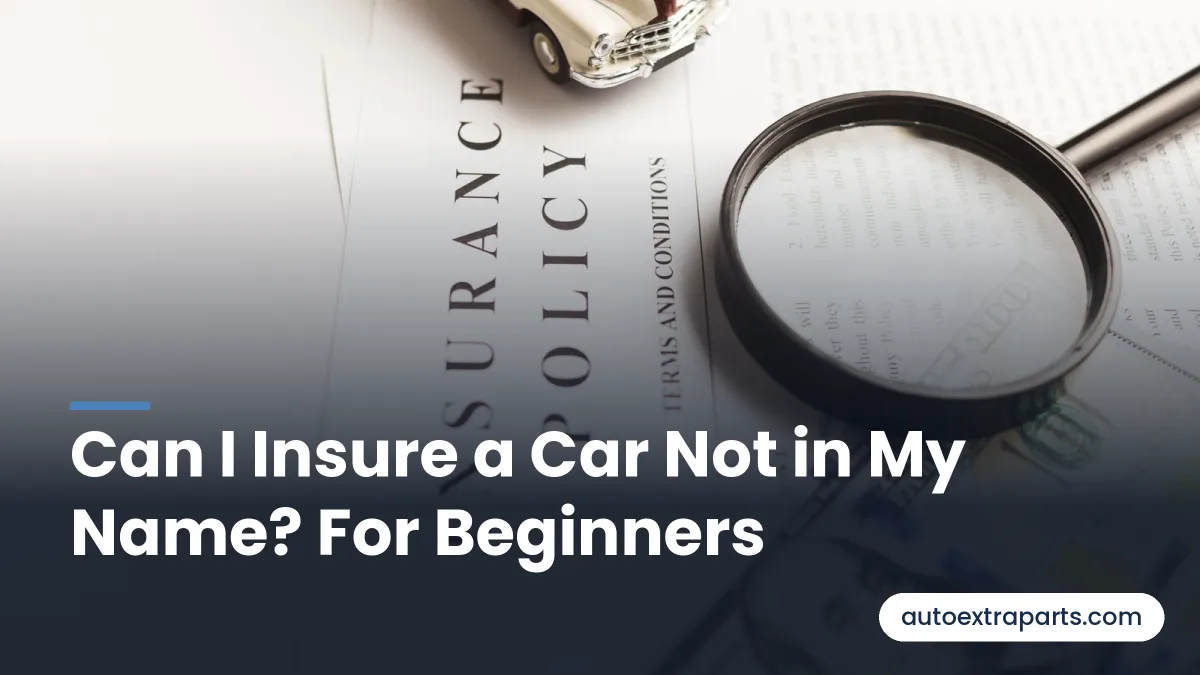
You want to buy or drive a car that is not in your name. That raises a big question. Can I Insure a Car Not in My Name? The answer is not a simple yes or no. Insurance rules mix legal ownership with financial risk. You need the right connection to the vehicle. Without that link, you may not get a policy.
Or you might buy the wrong type of cover. This guide breaks down the key steps. We will look at the rules, the risks, and the real options. Let us walk through what you need to know. Always follow official safety and maintenance guidelines for best results.
Practical Methods for Can I Insure a Car Not in My Name?
Can I Insure a Car Not in My Name? Yes, but you must meet strict rules. Insurers want to see a valid reason. You cannot just name any car on your policy. The law requires a stake in the vehicle. This stake is called an insurable interest.
You must face a real loss if the car is damaged or stolen. A family member’s car might qualify. A car you borrow often might also qualify. But a stranger’s car does not. The insurer will check the title and your role. They want proof that you care about the car’s safety.
The process starts with the right policy type. A standard owner policy will not work. You need a special form of cover. This is often called a non-owner policy or a named non-owner endorsement. It covers you when you drive cars you do not own. It can also cover a specific car you use regularly.
When weighing Can I Insure a Car Not in My Name?, pay close attention to build materials and daily ease. You must list the car on the policy. The insurer will ask for the vehicle ID number. They will also check the registered owner’s name. Be ready to explain your relationship to the car. A clear story helps your claim move fast.
- Insurable Interest Proof: You must show a financial or legal link to the car.
- Title and Registration Check: The insurer will pull the car’s title history.
- Non-Owner Policy Type: This cover follows you, not the car, in most cases.
- Named Non-Owner Endorsement: This adds a specific car to your non-owner plan.
- Owner’s Consent: The registered owner often must agree in writing.
The Role of Insurable Interest in Non-Owner Auto Coverage
Insurable interest is the heart of this topic. It is the legal reason you can insure something you do not own. You have an insurable interest when a loss would hurt you. If a car you drive daily is totaled, you lose transport. You may also lose money if you owe on it.
Anyone comparing Can I Insure a Car Not in My Name? will notice clear differences during routine use. That is a clear interest. But if you borrow a car once, the link is weak. Insurers look for a strong, ongoing connection. They ask: will you suffer a real financial harm? If yes, they may write the policy.
The interest must exist at the time of loss. It does not always need to exist when you buy the policy. For example, you may start driving a friend’s car while they are in the hospital. You have a temporary but real need. The insurer may cover you.
But they will want details. They will ask about your daily use of the car. They will check if you sleep at the same address. A non-owner policy works best when you have a regular, stable link to the vehicle. It is not a tool for random, one-off rides.
- Financial Loss Test: Ask if a crash would cost you money or work.
- Regular Use Proof: Insurers look for daily or weekly driving patterns.
- Legal Connection: A family tie or a written agreement helps a lot.
- Timing of Interest: The link must be real when a claim happens.
- Policy Limits Match: Your cover should fit the car’s value and your risk.
How Lienholders and Title Status Affect Your Ability to Insure
A lienholder changes the rules. A lienholder is the lender who holds the car’s title until the loan is paid. If you finance a car for someone, you may not own it yet. But the lienholder has a stake. They need the car to stay insured.
In this case, you can often get a policy in your name. The lender will be listed on it. They will get a notice if the cover lapses. This protects their asset. It also protects you from a gap in coverage.
Title status is the first thing insurers check. A clean title means the owner has full rights. A salvage title means the car was totaled before. A rebuilt title means it passed a safety check. Some insurers will not cover rebuilt titles. Others will, but at a high rate.
If the car has a lien, the lender’s name is on the title. You must show you are the borrower or a listed driver. Without this, the policy may not be valid. Always read the declaration page carefully. It lists the car, the owner, and the lienholder. If something is missing, call your agent right away.
- Lienholder Protection: The lender requires steady cover on their asset.
- Title Type Matters: Salvage or rebuilt titles may limit your policy options.
- Declaration Page Check: This document must list the car, owner, and lienholder correctly.
- Loan Status Proof: You may need to show the loan agreement to the insurer.
- Gap Coverage Risk: A missed payment or lapse can trigger a lender notice.
Named Non-Owner Policies vs. Adding a Non-Owner to an Existing Policy
There are two main paths to cover a car you do not own. The first is a named non-owner policy. This is a stand-alone auto policy. It covers you when you drive any car. It also can cover a specific car you use often. The second path is adding yourself to someone else’s policy.
This is called a non-owner endorsement. It works when the car owner has their own policy. You become a listed driver on their plan. Both options have clear uses. But they are not the same. The right choice depends on how often you drive the car.
A named non-owner policy is best if you drive many different cars. It also works if the owner does not have insurance. You can buy it for a car you use daily. You just list that car on the policy. On the other hand, adding a non-owner to an existing policy is simpler. It is often cheaper. For complementary picks and expert testing advice, see our guide on Can I Drive My Car If It Says Check Hybrid System?.
But it ties your cover to one car. If the owner cancels their policy, you lose your cover. You also may not be listed as the primary driver. This can cause problems with claims. You must be honest with the insurer. Tell them exactly how you use the car.
- Named Non-Owner Policy: A stand-alone plan that follows you across cars.
- Non-Owner Endorsement: Adds you as a driver to the owner’s existing policy.
- Cost Difference: An endorsement is often cheaper than a full non-owner policy.
- Primary Driver Status: You must be listed correctly to avoid claim denials.
- Flexibility Factor: A non-owner policy works for many cars; an endorsement does not.
State-By-State Regulatory Variations and Financial Responsibility Requirements
Laws differ from state to state. Each state sets its own car insurance rules. You must check your local laws first.
Some states require proof of financial responsibility. Others demand a filed SR-22 form. Your policy must meet these state rules. A policy that works in one state may fail in another.
- Financial Responsibility: You must show you can pay for harm caused in an accident. This can come from a policy or a cash deposit.
- SR-22 Filing: This is a form your insurer files with the state. It proves you carry at least the minimum required coverage.
- Permissive Use Rules: Some states let you drive a car not in your name if you have the owner’s okay. But coverage may still be limited.
- Non-Owner Policy Limits: States set different minimums for non-owner coverage. You may need more than the basic limits to fully protect yourself.
Always confirm rules with your state’s Department of Motor Vehicles. They can tell you what forms and limits apply to your case.
Risks, Documentation, and When to Consult an Insurance Professional
Insuring a car not in your name carries real risks. You may face a claim denial if your policy is wrong. You could also lose your driving privileges.
You will need the right documents. A clean car title helps. The owner’s name must match what the insurer has on file. A mismatch can delay or kill your policy.
- Car Title Copy: You need a copy showing the legal owner. This proves who has the right to insure the vehicle.
- Proof of Insurable Interest: You must show you suffer a loss if the car is damaged or causes harm.
- Policy Declaration Page: This page shows your coverage limits and strong dates. Keep it with your other car papers.
- Agent Consultation: Talk to a licensed agent before buying. They can spot issues you might miss.
| Stage / Task | Key Action to Take | Recommended Frequency | Priority |
|---|---|---|---|
| Initial Setup & Prep | Clear workspace, inspect parts, and check baseline settings | Before Each Session | Easy |
| Surface & Filter Care | Wipe exterior surfaces and rinse or tap out dust traps | Weekly | Easy |
| Deep Part Inspection | Check seals, moving joints, and air paths for wear | Monthly | Moderate |
| Full Consumable Check | Replace worn belts, filters, or seals to keep peak power | Every 6 Months | High |
Common Questions About Insuring a Vehicle You Do Not Own
Many people ask, “Can I Insure a Car Not in My Name?” The short answer is yes, but with limits. You need a valid reason and the right type of policy.
Some folks want coverage for a family car. Others borrow a car often. Each case has different rules. The key is proving you have an insurable interest.
- Can I get a policy without being the title holder? Yes, if you can prove financial harm from a loss.
- Does the owner need to know? Most insurers require the owner’s consent and signature on the application.
- Will a non-owner policy cover me driving any car? A named non-owner policy usually covers you in cars you do not own. But it pays secondary to the car’s own policy first.
- What if the car has a lien on it? The lienholder must be listed on the policy. They have a financial stake in the car.
Final Considerations Before Purchasing a Policy for a Car Not in Your Name
Before you buy, check the policy details closely. Make sure the vehicle description matches the car exactly. Wrong year, make, or model can cause a claim denial.
Ask the insurer if they allow non-owner policies for cars not in your name. Not all companies do. Some require you to be the listed owner. Getting this wrong can waste your money and leave you exposed. For complementary picks and expert testing advice, see our guide on How to Master Can Car Gas Freeze? Step by Step.
- Compare Multiple Quotes: Different insurers treat non-owner risks differently. Prices and rules can vary a lot.
- Review Coverage Limits: State minimums may not be enough. You want limits that protect your wallet in a bad crash.
- Confirm Endorsements: Ask about add-ons like roadside help or rental car coverage. These extras can add real value.
- Re-check Every Year: Your life changes. So do your policy needs. Update your info each renewal period.
Can I Insure a Car Not in My Name? Yes, you can. But you must follow the rules and keep your paperwork straight. A small mistake now can lead to big trouble later.
Take your time. Ask questions. Get the right policy in place. A little care today keeps you safe and legal on the road tomorrow.
Frequently Asked Questions
Can I Insure a Car Not in My Name If I Live with the Owner?
Living with the owner helps your case. It shows a close connection. But you still need proof of insurable interest and the owner’s consent. The insurer may ask for more docs.
What Happens If I Crash a Car I Do Not Own and Have No Policy?
You may face heavy fines. Your license could be suspended. You would also pay for any damage or injuries out of your own pocket. That can cost tens of thousands of dollars.
Does a Non-Owner Policy Cover Damage to the Car I Am Driving?
No. A non-owner policy covers harm you cause to others. It does not fix the car you are driving. You need the owner’s policy or your own collision cover for that.
Can I Switch to a Policy in My Name Later?
Yes. Once you own the car, you can switch. You will need the new title and registration. Your insurer can help you make the change.
Is It Cheaper to Get a Non-Owner Policy Than to Be Added to the Owner’s Plan?
It can be. Non-owner policies often cost less. But prices vary by state, driving record, and coverage limits. Always compare quotes before choosing.
Final Thoughts and Next Steps
Insuring a car not in your name is possible. You need the right type of policy and solid proof of interest. Start by gathering your documents. Check your state’s rules. Then talk to a licensed agent who handles non-owner cases.
Do not guess about coverage. A wrong move can leave you uninsured and exposed. Take the time to get it right. A clear plan now saves you stress and money down the road.