What Does Fob Stand for in a Key Fob? For Beginners
As an Amazon Associate we earn from qualifying purchases. Guides are for general information; always check your owner's manual and consult a qualified mechanic when unsure.
You hold your key fob each day. You press the button. The car unlocks. But what does FOB stand for in a key fob? Many drivers use the term without knowing its roots. The answer links shipping, cars, and radio signals. We will walk through the full story. You will learn what FOB means in plain terms. We will also clear up the name mix-ups.
Shipping folks first used the term Free On Board. It showed who paid for goods on a truck or boat. Later, car makers borrowed the word. They used it for remote keyless entry. Today, FOB means the small plastic device in your pocket. It talks to your car through radio waves. That lets you lock, unlock, and start the engine from a distance. Always follow official safety and maintenance guidelines for best results.
What does FOB stand for in a key fob? In short, it is a holdover from old shipping terms. It now means the handheld remote you carry. The term stuck in car manuals and dealer talks. You will see it in owner’s guides and repair notes. It is a small word with a big history behind it.
What Does Fob Stand for in a Key Fob?: The Literal Origin and Automotive Translation
Applying these proven insights on What Does FOB Stand For in a Key Fob? helps you avoid costly mistakes. The letters FOB stand for Free On Board. In shipping, this phrase set the point where costs shifted. The seller paid to get goods on board a ship. The buyer paid once the cargo reached its port. This rule kept trade clear and fair. It stopped fights over who paid for damage or loss.
Car makers took this old term and gave it new life. They needed a name for the remote device that locks and unlocks doors. The word FOB fit well. It was short, easy to say, and already known in business circles.
When weighing What Does FOB Stand For in a Key Fob?, pay close attention to build materials and daily ease. By the 1980s, car ads used the term freely. Soon, drivers stopped asking what does FOB stand for in a key fob. It became just another part of car talk.
Today, the FOB in your hand does more than open doors. It sends a rolling code to your car’s Body Control Module. That code changes every time you use it. This stops thieves from copying the signal.
The small plastic box holds a tiny battery and a radio chip. When you press a button, the chip sends the code through the air. Your car receives it and checks if it matches. If it does, the doors unlock or the engine starts.
- Free On Board: The original shipping term meant costs paid when goods hit the transport vessel.
- Auto Adoption: Car brands picked up FOB in the 1980s for remote entry devices.
- Signal Handshake: The fob and car exchange rolling codes to confirm identity each time.
- Immobilizer Link: The BCM checks the FOB code before allowing the engine to start.
What does FOB stand for in a key fob? It is a term that moved from cargo ships to your driveway. The shift shows how car tech borrows from other fields. You do not need to know shipping rules to use your fob. But knowing the origin helps you understand why the name stuck. It also gives you a better grasp of how the device works.
How the Key Fob Transponder and Rolling Code System Actually Work
Inside your key fob sits a small transponder chip. This chip has a unique ID number. When you press a button, the chip wakes up. It sends that ID to your car’s antenna. The antenna passes the signal to the Body Control Module. The BCM checks the ID against its stored list. If the ID matches, the car allows the action.
But a fixed ID is easy to copy. A thief could intercept the signal and replay it. That is why modern fobs use rolling codes. Each time you lock or unlock the car, the code changes. Both the fob and the BCM share a secret algorithm. They know the next code in the sequence. This happens in milliseconds. You never see it happen. But it keeps your car safe.
Anyone comparing What Does FOB Stand For in a Key Fob? will notice clear differences during routine use. The fob also uses a fixed code for basic functions. Some older models still use this method. The rolling code is the real security layer. It stops replay attacks where a thief captures your signal. The system then discards the old code. You cannot use it again. This makes each press unique and safe.
- Transponder Chip: A tiny circuit inside the fob that sends a unique ID to the car.
- Rolling Code: A new code is generated each time you press a button on the fob.
- BCM Check: The Body Control Module verifies the code before allowing the car to start.
- Fixed Code Risk: Older fobs with fixed codes are easy targets for signal copying.
The radio signal travels through the air at the speed of light. It reaches the car’s antenna from several feet away. You do not need to point the fob directly at the car. But thick walls or metal boxes can block the signal. That is why you sometimes need to press the button again. The signal finds its way through open space or a window.
Fob vs. Key Fob vs. Transponder Key: Dissecting the Terminology Confusion
People mix up these terms all the time. You hear “FOB,” “key fob,” and “transponder key” used like they mean the same thing. They do not. Each term points to a different part of the system. Knowing the difference helps you talk to dealers and locksmiths. It also helps you buy the right spare part.
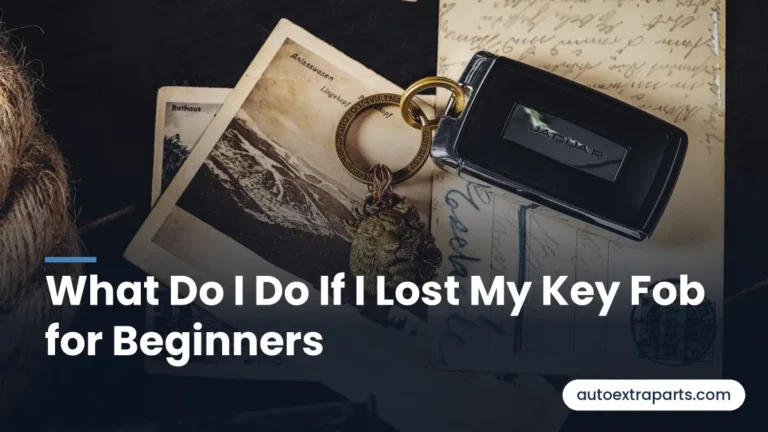
A FOB is the full remote device. It has buttons for lock, unlock, and trunk open. A transponder key is the metal blade with a chip inside. You stick it in the ignition to start the car.
A key fob is a blend of both. It has the remote buttons and the transponder chip in one unit. Some cars use a separate key and a FOB. Others use a keyless entry stick with no blade at all. For complementary picks and expert testing advice, see our guide on How Do I Activate My Key Fob? Tips and Best Practices.
What does FOB stand for in a key fob? It is the label for the remote part of the system. The FOB handles wireless tasks. The transponder handles ignition security. Both work together to keep your car safe. When one part fails, the whole system breaks down. You may not be able to lock the doors or start the engine.
- Key Fob: The full handheld device with buttons and a built-in transponder chip.
- Transponder Key: The metal ignition key with a chip that reads the car’s immobilizer code.
- FOB: The remote portion that sends lock and unlock signals through the air.
- Hybrid Unit: Many modern remotes combine the FOB and transponder into one compact device.
The name confusion also comes from car brands. Each maker uses its own term in the owner’s manual. Some call it a remote transmitter. Others call it a keyless entry FOB.
You might see the word “smart key” used too. But all of these point back to the same core device. The one in your pocket or on your keychain. Understanding the terms helps you find the right fix when things go wrong.
Critical Failure Points: When a Key Fob Stops Working and Why It Matters
A dead battery is the top reason your fob fails. The small CR2032 coin cell lasts two to four years. But cold weather can drain it fast. Heat can also ruin the battery early. You may notice the range shrinks first. The car might not unlock from far away. That is a clear warning sign.
Water damage hits key fobs hard. A drop in a puddle can kill the circuit board. The transponder chip inside needs a dry path. Corrosion starts to eat the fine traces. You may still get the fob to work. But the signal will drop out without warning.
- Dead Coin Cell: The CR2032 battery loses charge over time. A low signal is the first clue. Replace it with a fresh cell fast.
- Water Ingress: Puddle hits or rain seeps in. Corrosion eats the copper traces on the board. The fob fails to send any signal.
- Impact Damage: A drop on concrete cracks the PCB. The solder joints inside can fracture. The transponder chip may shift or break.
- EMI Interference: Power lines or large motors emit noise. This noise blocks the fob’s radio signal. You may not unlock the car near them.
Programming and Replacement Protocols for Modern Key Fobs
Replacing a lost fob costs more than a battery. You need the right blank fob for your car. The new fob must match the vehicle’s year and model. A dealer can program it with their tool. They plug into the OBD-II port under the dash. This link talks to the Body Control Module. The BCM stores the secret crypto seed for your fob.
Aftermarket fobs work but need care. You can find them online or at auto parts stores. They cost less than dealer parts. But you may need to program them yourself. Some cars let you do this with a setup sequence. You press buttons on the fob and the steering column. Check your owner’s manual for the exact steps.
- Dealer Programming: A tech hooks a scan tool to the OBD-II port. They load the new fob ID into the BCM memory. The old fob IDs stay valid unless you erase them.
- Self-Programming: Many brands let owners add a new fob. You put the old working fob in the ignition. You turn it to the run position. Then you press a button on the new fob.
- Aftermarket Setup: Cheap blank fobs need a match procedure. You hold the new fob near the antenna ring. You cycle the key or press the start button. The car learns the new fob signal.
- Key Fob Battery: A fresh CR2032 cell fixes most issues. You pop open the back shell with a small flat tool. Swap the old cell for the new one. Check the plus and minus side.
Security Vulnerabilities and How Automotive Engineers Are Fighting Relay Theft
Relay theft is a real danger today. Thieves use two small radio boxes. One box sits near your home. It catches the fob’s signal through the wall. The second box goes near the car. It sends the signal to the car. The car thinks the fob is close by. It unlocks and starts the engine. This whole hack takes seconds. You can wake up to a missing car.
Engineers are fighting back with new tech. Many new fobs use rolling codes now. Each button press sends a new secret number. The car and fob share a math key. They both jump to the next number in the sequence.
A old signal won’t work again. Some cars also use ultra-wideband radio. This tech measures the exact distance to the fob. It stops the relay box trick from working. For complementary picks and expert testing advice, see our guide on How Do I Get My Key Fob to Work Tips and Best Practices.
- Relay Attack: Thieves boost the weak fob signal from inside your home. They trick the car into thinking the fob is near the door. The car unlocks and can start right away.
- Rolling Code: Each fob press sends a new, unique number. The car and fob sync their number chains. A used signal fails on the next try. This stops simple replay hacks.
- Ultra-Wideband Range: UWB tech checks the true distance to the fob. A relay box can’t fake a short range. The car knows the fob is not inside the room.
- Motion Sensor: Many new fobs sleep when they don’t move. They stop broadcasting when they sit still. A thief can’t steal the signal from a quiet fob.
| Stage / Task | Key Action to Take | Recommended Frequency | Priority |
|---|---|---|---|
| Initial Setup & Prep | Clear workspace, inspect parts, and check baseline settings | Before Each Session | Easy |
| Surface & Filter Care | Wipe exterior surfaces and rinse or tap out dust traps | Weekly | Easy |
| Deep Part Inspection | Check seals, moving joints, and air paths for wear | Monthly | Moderate |
| Full Consumable Check | Replace worn belts, filters, or seals to keep peak power | Every 6 Months | High |
What Does Fob Stand for in a Key Fob? Common Questions Answered
Can I Drive My Car If the Key Fob Battery Dies?
Yes, you can still drive in most cases. Put the dead fob right against the start button. The car reads the transponder chip through the antenna. It verifies the ID and lets the engine start. You will need a new battery soon. But you can reach a shop or home for now.
How Do I Know If My Fob Uses a Rolling Code?
- Check Your Owner’s: Check your owner’s manual or ask the dealer.
- Rolling Code Fobs: Rolling code fobs are in almost all cars made after 2000.
- Each Press Sends: Each press sends a new code.
- Fixed Code Fob: A fixed code fob sends the same signal every time.
- Fixed Codes: Fixed codes are easy to copy.
- Rolling Codes: Rolling codes are much harder to hack.
What Does Fob Stand for in a Key Fob If It’s Not About Shipping?
In shipping, FOB means Free On Board. But in a key fob, FOB is just the name we use. The term stuck from the early radio remotes. It has nothing to do with freight or boats. The letters just became the common name for the device.
Can Water Damage Ruin a Key Fob Even If It Dries Out?
Yes, water leaves minerals on the circuit board. Those minerals cause tiny shorts in the traces. The fob may seem fine at first. But it will fail days or weeks later. A water-damaged fob needs a full spare. You can’t fix the board inside.
Is Aftermarket Programming Safe for My Car’s Security System?
It is safe if you buy a quality blank fob. Cheap no-name fobs may skip proper crypto steps. They can leave gaps in your car’s security. Stick to known brands or your dealer. Always erase old fob IDs when you add a new one.
Final Thoughts and Next Steps
Knowing what does FOB stand for in a key fob helps you care for your car. The term came from shipping but now means your remote entry device. The tech inside is smart. It uses rolling codes and crypto seeds.
These tools keep your car safe from simple theft. But they need the right care. A weak battery or a cracked case can leave you stuck. Water and heat are the worst enemies of a fob.
You should check your fob battery twice a year. Keep a spare battery in your glove box. Store the fob in a dry spot away from heat. If the fob stops working, don’t panic. Try a fresh battery first.
If that fails, follow the programming steps in your manual. For total loss or complex issues, a dealer or pro locksmith can help. Stay alert to relay theft risks. Use a faraday pouch at night. Your car and your key fob will serve you well for years when you treat them right.